How to Choose the Most Efficient Industrial Fan for Your Needs?
Choosing the right industrial fan can significantly impact operational efficiency and cost savings. An Efficient Industrial Fan not only enhances air circulation but also reduces energy consumption. According to a recent report by the U.S. Department of Energy, efficient fans can present energy savings of up to 50% compared to traditional models. Such figures underscore the critical importance of selecting the appropriate fan for specific needs.
When selecting an efficient industrial fan, several factors need consideration. Variables like airflow requirements, static pressure, and operational conditions can all influence fan performance. A misplaced choice can lead to inefficiencies and increased operational costs. In fact, many businesses fail to account for these factors, resulting in overspending on energy bills. A thorough understanding of your unique environment is essential.
It is beneficial to seek expert guidance when navigating the complex world of industrial fans. Manufacturers often provide resources to help choose the right model. However, without a systematic approach, businesses may still fall short of optimal efficiency. Evaluating various fan designs and their applications requires careful thought. Often, an informed decision can lead to a significant positive shift in productivity and cost-effectiveness.
Understanding the Different Types of Industrial Fans Available
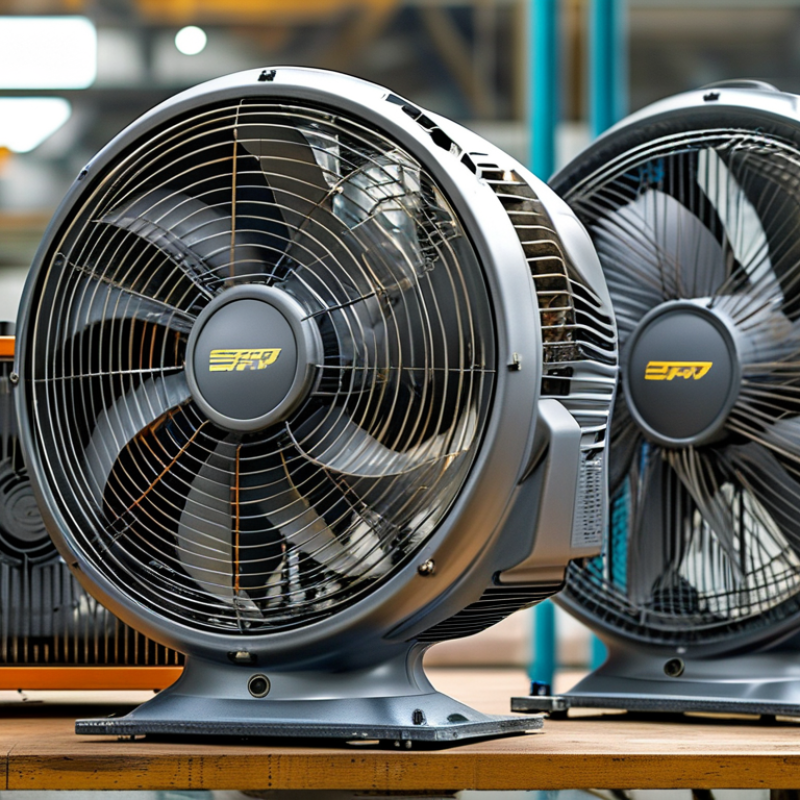
Industrial fans are essential for various applications, from ventilation to cooling in manufacturing. Understanding the different types available is crucial for making an informed decision. The primary types include axial fans, centrifugal fans, and mixed-flow fans. Axial fans are known for their efficiency in moving air through low static pressure systems. They operate by drawing air directly along the axis of the fan and are widely used in applications requiring high airflow, like cooling towers.
Centrifugal fans, on the other hand, excel in high-pressure applications. These fans work by converting rotational energy into kinetic energy, producing a high pressure suitable for moving air through ducting and filtering systems. According to a 2022 industry report, centrifugal fans are increasingly preferred in industrial settings, particularly where space is limited. They are effective for material handling, as they can manage both air and dust effectively.
Mixed-flow fans combine features of both axial and centrifugal fans. They offer flexibility in applications that require both high flow rates and moderate pressure levels. A recent study indicated that optimizing fan selection could improve energy efficiency by up to 30%. While selecting a fan, users should consider efficiency ratings and performance curves, as these elements can significantly impact operational costs. Making the right choice requires balancing specific needs with overall efficiency, which is often overlooked in industrial settings.
Assessing Your Space Requirements and Airflow Needs
When assessing your space requirements for an industrial fan, understanding airflow needs is critical. The amount of air the fan can move is often measured in cubic feet per minute (CFM). A report by the American Society of Heating, Refrigerating and Air-Conditioning Engineers (ASHRAE) suggests that adequate air exchange is essential for maintaining a safe and comfortable work environment. Spaces with poor airflow can see a reduction in productivity and an increase in health-related issues.
Determining the correct CFM for your specific area involves several factors. The room's dimensions, ceiling height, and purpose all play important roles. For instance, a manufacturing facility may require higher airflow due to the presence of heat-generating machinery. In contrast, a storage area may need less. According to data from the U.S. Department of Energy, facilities with optimized airflow design can improve energy efficiency by 10-40%.
Evaluating your specific needs can be complex. Miscalculating the airflow requirement might lead to inadequate ventilation or excessive energy consumption. Conducting a thorough airflow study can help identify the best solution for your space, balancing performance and energy efficiency. Engaging professionals to assess these needs can help avoid costly mistakes.
Evaluating Energy Efficiency and Operational Costs
When selecting an industrial fan, energy efficiency is a crucial factor that impacts operational costs. A well-chosen fan can significantly reduce energy consumption. According to industry standards, fans should have a high efficiency rating. This rating ensures that the unit converts more energy into airflow, minimizing wasted energy. It is advisable to look for fans that comply with these efficiency benchmarks.
Operational costs extend beyond the initial purchase price. Maintenance and repair expenses can accumulate quickly if a fan is not designed for longevity. Some fans require more frequent servicing than others, which can be a hidden cost. It’s essential to consider a fan’s design and build quality. Selecting durable materials can lead to lower long-term costs.
In addition, the environment of use plays a crucial role. In dusty or humid conditions, some fans might degrade faster. It's useful to evaluate the specific operating conditions and make adjustments accordingly. Occasionally, the best choice may not be the most expensive one. Balancing upfront costs with potential long-term savings requires careful thought. Each situation is unique and should be examined individually to find the optimal solution.
Energy Efficiency Comparison of Industrial Fans
This bar chart compares the energy efficiency (measured in Watts per CFM) of different types of industrial fans commonly used in various applications. Lower values indicate higher energy efficiency, leading to reduced operational costs.
Considering Noise Levels and Safety Regulations
When selecting an industrial fan, noise levels and safety regulations are crucial aspects to consider. Compliance with safety standards not only protects workers but enhances operational efficiency. For example, OSHA recommends that noise exposure should not exceed 90 dBA over an eight-hour workday. High noise levels can lead to permanent hearing damage and decreased productivity. Organizations must take into account the decibel ratings of fans and their potential impact on employee well-being.
Choosing the right fan involves balancing performance and noise control. According to a report from the American Industrial Hygiene Association, fans with lower dBA ratings can significantly reduce noise pollution in the workplace. Moreover, when fans operate within accepted limits, they contribute to a healthier work environment. Selecting models with sound attenuation features can be a wise move.
Adjusting fan placement can further mitigate noise. For instance, positioning fans away from workstations or installing sound barriers can make a substantial difference. Regular maintenance also plays a role; squeaky or unbalanced fans can increase noise levels. Analyzing fan specifications and ensuring they meet relevant regulations helps prioritize safety and comfort in the workplace. Decision-makers must remain aware of both the operational implications and the potential risks of high noise exposure.
Making Informed Decisions: Comparing Brands and Models
When it comes to selecting the right industrial fan, comparing brands and models is essential. Each fan type serves a specific purpose, impacting performance, efficiency, and longevity. It's vital to consider airflow requirements and the environment in which the fan will operate. A full understanding of these factors can prevent costly mistakes.
Choosing the right fan involves detailed research. Look into energy consumption, noise levels, and durability. Comparing specifications across models helps identify potential strengths and weaknesses. Don't overlook user reviews; they provide insight from real users about performance in various conditions. Consider the warranty information as well. A solid warranty reflects manufacturer confidence in their product.
Analyzing your unique needs is equally important. Determine whether you require a portable or fixed fan. Consider the size of the space as well as ventilation requirements. Sometimes, opting for a slightly larger fan might deliver better performance over the long term. Keep testing different models. Reflection on past choices can improve your current selection process.