How to Choose Aluminium Tri Fold Blind Rivets for Composites
Choosing Aluminium Tri-Fold Blind Rivets For Composite Materials requires more than matching hole diameter and grip range. Composite panels behave differently from aluminium sheets. Their fibres can split, crush, or separate around a poorly supported hole. A rivet that performs well in metal may create hidden damage in a glass-fibre or carbon-fibre laminate. The choice matters.
Dr. Stephen W. Tsai, a respected composites researcher, has repeatedly emphasized this practical principle: “Composite materials are not metals.” That brief warning should guide every fastening decision. Aluminium tri-fold rivets distribute their legs over a wider area behind the panel. This action can reduce pull-through risk when the rear surface is thin or difficult to access. Their open-end design also supports installation from one side, which is useful inside enclosed assemblies.
Check the laminate thickness, hole quality, rivet body diameter, and required clamp load. A 4.8-millimetre rivet may look suitable, yet its expansion can crush a fragile honeycomb face. Use a clean, accurately drilled hole. Remove loose fibres before installation. A washer may help, but it is not always the complete answer. Sometimes the real problem is poor joint geometry.
Corrosion compatibility also deserves attention. Aluminium rivets can require isolation from carbon-fibre components. Test representative panels with the intended installation tool. Observe the formed head, backside spread, and panel distortion. Small details reveal large failures.
The selection process is not perfectly predictable. Manufacturing variation, moisture, and operator technique can change performance. For reliable results, combine supplier data with practical pull-out and shear testing. That evidence is stronger than a catalogue claim alone.
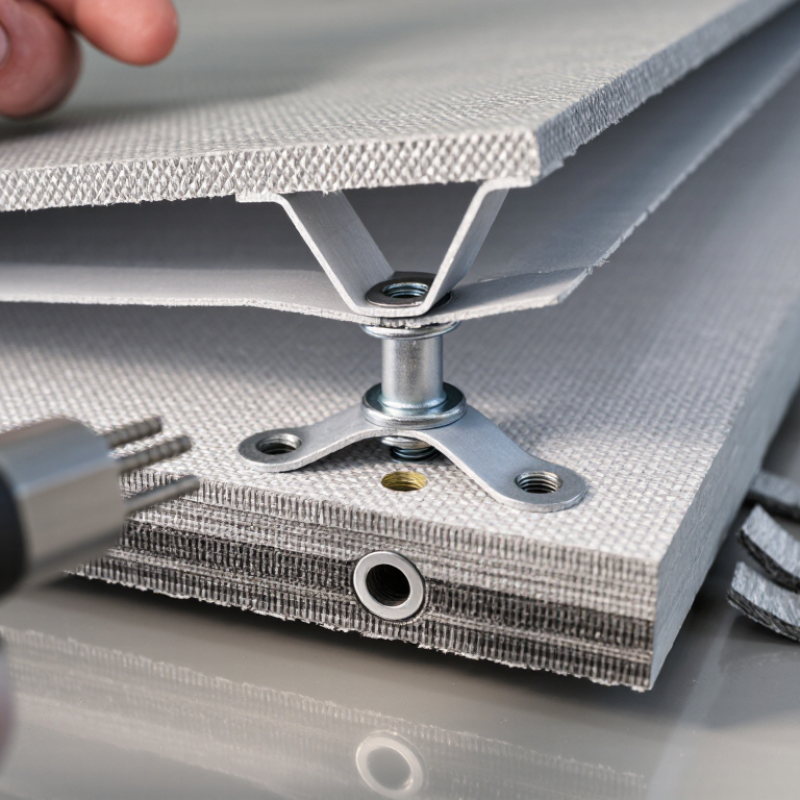
Table of Contents [Hide]
What Aluminium Tri Fold Blind Rivets Are and How They Work
Aluminium tri fold blind rivets are mechanical fasteners for joining sheets from one accessible side. Their body is usually an aluminium sleeve with a central mandrel. During installation, a rivet tool pulls the mandrel through the sleeve. The sleeve then splits into three broad legs behind the workpiece. These legs spread outward and clamp the layers together.
This folding action creates a larger bearing area than a standard blind rivet. That matters when fastening composite panels, which may crush under concentrated pressure. The three legs distribute force across the rear surface. A sealed head can also help reduce moisture entry, depending on the rivet design. Still, the rivet does not repair weak laminate or replace proper panel support.
For composite applications, measure the total material thickness before choosing the grip range. The hole should be clean, round, and only slightly larger than the rivet body. Excessive drilling clearance can cause movement and uneven folding. A backing washer may improve load distribution on softer laminates. It can also reduce surface damage during installation.
Aluminium offers low weight and useful corrosion resistance. However, contact with carbon fibre or dissimilar metals may create galvanic corrosion in damp conditions. An isolating layer may be necessary. Check the mandrel material, head style, shear strength, and pull-out performance. Practical testing is wise, because published values may not match your laminate, hole quality, or loading direction. The selection is not always obvious. Inspect the folded legs after installation. Incomplete expansion is a real, and sometimes overlooked, failure point.
How to Choose Aluminium Tri Fold Blind Rivets for Composites - What Aluminium Tri Fold Blind Rivets Are and How They Work
| Nominal Rivet Diameter | Typical Hole Diameter | Common Grip-Range Guidance | Typical Rivet Body Material | Mandrel Material Options | Why It Can Suit Composites | Selection and Installation Notes |
|---|---|---|---|---|---|---|
| 3.2 mm (1/8 in) | Approximately 3.3–3.4 mm | Usually selected for thin assemblies, commonly about 1.0–3.2 mm total material thickness. | Aluminium alloy body; exact alloy depends on the rivet design. | Often steel or aluminium; confirm the specification before use. | Creates three expanded legs on the blind side, distributing the clamp load over a wider area than a standard pop rivet. | Useful for light-duty panels and covers. Use a controlled hole size and avoid crushing the laminate during setting. |
| 4.0 mm (5/32 in) | Approximately 4.1–4.2 mm | Commonly available for approximately 1.0–4.8 mm total material thickness, depending on the product series. | Aluminium alloy body with a formed tri-fold sleeve. | Steel or aluminium, depending on strength, corrosion, and weight requirements. | The broad backside footprint helps reduce local pull-through in relatively soft or sandwich composite panels. | A practical general-purpose size when a 3.2 mm rivet is too small. Verify the actual grip range against the measured joint thickness. |
| 4.8 mm (3/16 in) | Approximately 4.9–5.0 mm | Often used for medium-thickness joints, commonly about 1.5–6.4 mm total material thickness. | Aluminium alloy body; some designs include a larger flange or sealing feature. | Most commonly steel, although other mandrel materials may be specified. | Provides a larger expanded bearing area and is suitable where higher joint capacity is required without using a solid rivet. | Check laminate compressive strength and washer or flange requirements. Use edge distance appropriate to the composite design. |
| 6.4 mm (1/4 in) | Approximately 6.5–6.7 mm | Typically chosen for thicker joints, often about 3.0–9.5 mm, subject to the manufacturer's design. | Aluminium alloy body with a relatively large tri-fold expansion. | Usually steel or another specified high-strength mandrel material. | Generates a large blind-side load-spreading area for thicker panels and applications requiring a larger fastener diameter. | Requires adequate access and setting-tool capacity. Confirm that the composite core and face skins can withstand the installation load. |
| Closed-end or sealed tri-fold type | Based on the selected nominal diameter | Use only within the listed grip range; sealed designs may have a narrower usable range than open-end designs. | Aluminium alloy body with a closed or sealed end configuration. | Usually steel or aluminium, depending on the required performance. | Can help limit moisture, air, and debris passage through the fastener after installation. | Select when environmental sealing is important. Confirm whether the rivet is genuinely sealed; a standard tri-fold rivet is not automatically watertight. |
| Large-flange tri-fold type | Based on the selected nominal diameter | Grip range is determined by the specific rivet length and should be checked from the joint measurement. | Aluminium alloy body with an enlarged load-spreading head. | Steel or aluminium, depending on the product specification. | The larger front flange helps distribute load on weak, thin, or easily damaged composite face skins. | Consider this style when a standard flange could pull into the laminate. Keep the flange fully supported and avoid over-setting. |
How a tri-fold blind rivet works: When the mandrel is pulled, the rivet sleeve splits and folds into three broad legs on the blind side of the joint. These legs clamp the materials together and spread the load over a larger area. Actual hole diameter, grip range, mandrel material, head dimensions, and load ratings vary by rivet design; always use the fastener supplier's technical data and validate the joint with the composite manufacturer's installation requirements.
Customers




Smart Robotics brand movie
Watch video