Choosing a W Beam Supplier in 2026 takes more than comparing prices on a spreadsheet. The right supplier should provide beams that match your project’s specified dimensions, material grade, and finish. A flange that is slightly wider than expected can complicate fit-up on site. Small differences matter.
This guide outlines practical checks buyers can make before placing an order. Review product data, mill test certificates, and traceability information, then confirm that each document corresponds to the material being offered. Ask how the supplier handles dimensional checks and whether inspection records are available. Clear answers are a good sign. Vague assurances are not. And yes, price can mislead.
Delivery details deserve equal attention. Confirm stock status, production lead time, packaging, and the delivery location in writing. If beams need cutting or other processing, clarify tolerances and how finished pieces will be identified. A low quote may not include these services, or the extra handling your project requires. I’ve seen planning look tidy on paper and become less tidy at the loading bay.
The strongest choice is not automatically the largest supplier or the lowest bidder. Compare evidence, communication, and the supplier’s ability to meet your actual requirements. This article offers a straightforward framework for weighing those factors in 2026. Use it to ask better questions, spot gaps early, and select a W Beam Supplier whose commitments are clear before work begins.
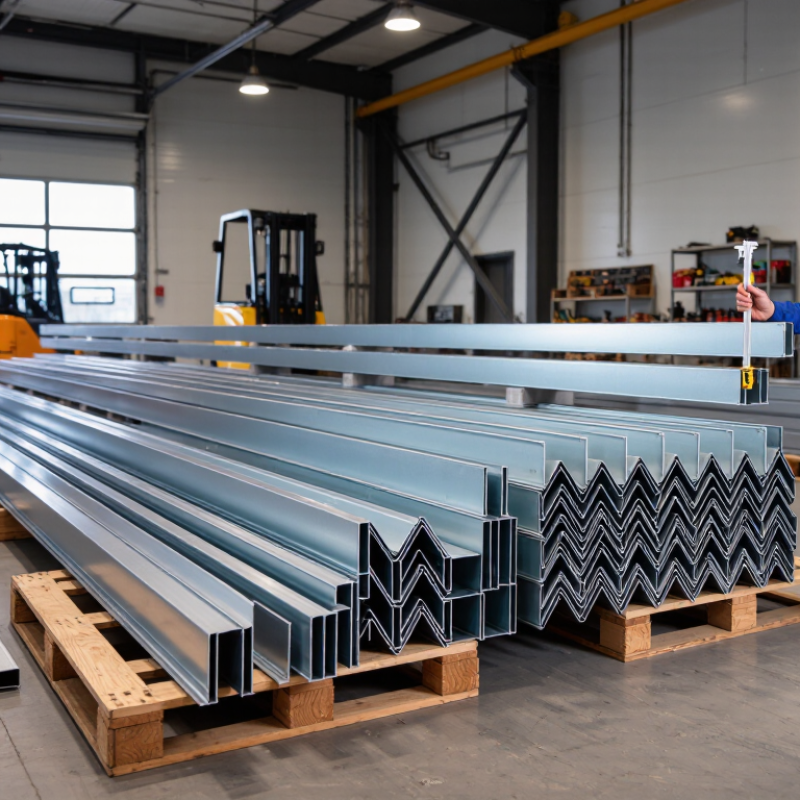
Define Your W Beam Requirements for the Project
Before requesting quotes, record the beam’s span, support conditions, expected loads, and connection details. Specify the required section by depth, weight, flange width, and web thickness—not simply “W beam.” The AISC Steel Construction Manual lists these properties because beams with similar depths can still differ in weight and structural capacity. State the required steel grade, length, quantity, and finish. For example, ASTM A992/A992M specifies a minimum yield strength of 50 ksi and minimum tensile strength of 65 ksi. Confirm that these values suit the project design; they are not a substitute for engineering checks. Small details matter.
Tips: Send a marked-up drawing with dimensions, hole locations, and end cuts. Identify applicable standards, inspection documents, delivery sequence, and any restrictions on substitutions. Ask the supplier to confirm section designation and material traceability in writing. Check tolerances against ASTM A6/A6M, which covers dimensional and mass tolerances for structural shapes. A missing connection detail can delay fabrication.
A common planning miss is leaving coating or site-access requirements until after pricing. That can change handling, delivery, and preparation needs. Note whether beams must arrive in a particular sequence or fit through a narrow gate. I would still recheck every quantity against the latest drawing revision; this simple step is easy to skip when schedules tighten.
Compare section depth and flange width when identifying candidate W-shapes. Dimensions shown are nominal values in inches for the listed AISC shapes; confirm the selected section and all design properties against the current AISC Shapes Database and project requirements.
A suitable supplier should confirm the exact shape designation, applicable material specification, required quantity, delivery schedule, and documentation before you place an order.
Before comparing prices, inspect how a W beam supplier controls production and records each inspection. Ask for the quality manual, current certificates, and certificate scope. A logo proves little. Confirm that certification covers the actual manufacturing site and relevant activities. Check issue dates, exclusions, and the certifying body’s accreditation. Requirements can differ by project. Details matter.
Then test traceability, not just paperwork. Request a sample inspection record and mill test report for a comparable beam. Heat numbers should connect the report, beam tags, and delivery documents. Ask how staff measure flange width, web depth, straightness, and coating thickness when specified. Look for calibrated instruments, recorded acceptance limits, and a clear process for rejected material. An audit or video walkthrough may reveal whether the written system matches the shop floor. Certifications do not guarantee every shipment is defect-free. Review recent nonconformance actions and ask what changed afterward. The answer may be imperfect; a reliable supplier explains gaps honestly and provides dated evidence of correction.
A W-beam quote is only useful when its grade, dimensions, and documentation match the project. Check the specified steel grade against the mill test report, including yield strength, tensile strength, and chemistry. Confirm section depth, flange width, web thickness, and length against the purchase order and applicable ASTM A6/A6M requirements. Small differences matter. A flange that is wider than expected can complicate connections and erection.
Ask how each beam stays linked to its production records. Heat numbers should remain readable on the material and match the test documents through cutting, storage, and delivery. Request inspection records and clarify whether testing was performed by the mill or an independent laboratory. The World Steel Association’s World Steel in Figures 2024 reports 1,892.2 million tonnes of crude steel production in 2023. That scale makes lot-level identification important; total output says nothing about an individual beam’s properties.
Check the supplier’s process, not just its promises. Ask for a sample certificate, a traceability procedure, and a clear explanation of how nonconforming material is handled. Verify that certificates identify the applicable standard and heat number. Paperwork can still be wrong. I would also inspect actual markings on a delivered piece, because a neat PDF is not the beam on the truck. Some buyers overlook that final check.
When choosing a W-beam supplier, compare deliverable capacity, not just advertised production. Ask how many tons are available in your required sizes, grades, and lengths, and whether cutting or drilling happens in-house. Request a dated production schedule, mill certificates, and a written shipping window. A low quote means little if the beams arrive after the crane is booked.
Market data helps frame the risk, but it cannot predict one supplier’s schedule. The OECD’s Steel Outlook 2024 projected global excess steelmaking capacity could reach 630 million tonnes by 2026. That is broad market capacity, not guaranteed local W-beam stock. World Steel Association’s October 2024 Short Range Outlook forecast global steel demand of 1.77 billion tonnes in 2025, up 1.2%. Ask suppliers how these wider conditions affect their own lead times, then verify with recent delivery records.
Compare total costs line by line: beam price, freight, unloading, processing, storage, and charges for substitutions or split shipments. Check whether quoted weights and tolerances match the project documents. A supplier offering stock nearby may reduce freight, yet charge more for processing. A spreadsheet will not catch every delay. One caveat: delivery promises can shift, so build a realistic buffer and confirm dates in writing. The cheapest offer is not always the lowest-cost choice.
How to Choose a W Beam Supplier in 2026
Review Contract Terms, Delivery, and After-Sales Support
A low price means little if the contract leaves key details open. Confirm the beam grade, dimensions, length tolerance, finish, and required inspection documents in writing. Specify whether the price includes freight, protective wrapping, and unloading. Get it in writing. Check how the supplier handles approved substitutions, order changes, and cancellations before signing. One detail is easy to miss: confirm that heat numbers or other traceability records will match the delivered material.
Delivery terms should reflect the realities of your site. Agree on a delivery window, shipment notice period, and process for reporting damage or shortages. Ask whether partial deliveries are allowed, and who coordinates them with your crew. A truck arriving early can be as disruptive as one arriving late. Clarify what happens if transport delays affect the schedule, rather than relying on a vague promise of “prompt delivery.”
After-sales support matters when a bundle arrives with bent flanges, missing paperwork, or quantities that do not match the packing list. Set a clear claims deadline, required evidence, and expected response time. Ask who reviews the issue and whether replacement material or a credit is available. No checklist catches everything. Still, a supplier willing to document responsibilities and communicate plainly gives project teams a more dependable basis for planning.
| Evaluation Dimension | What to Confirm | Evidence to Request | Practical Comparison Criteria | Weight |
|---|---|---|---|---|
| Contract terms | Confirm the agreed steel grade, shape designation, quantity, length, tolerances, price basis, payment terms, and remedies for nonconforming material. | Written quotation, purchase order, technical specifications, and signed terms covering inspection, rejection, replacement, and dispute procedures. | Prefer a contract that identifies the governing specification and clearly assigns responsibility for freight, unloading, taxes, and claims. | 25% |
| Technical compliance | Check that the proposed W shapes, dimensions, and material grade match the project documents. ASTM A6/A6M covers general requirements for rolled structural steel shapes; ASTM A992 is commonly specified for structural steel shapes. | Mill test reports (MTRs) showing heat numbers, grade, chemical composition, and mechanical test results; dimensional inspection records where required. | Compare the offered product against the project’s exact specification and acceptance criteria. Do not substitute a grade or standard without written approval. | 20% |
| Delivery planning | Establish the ship date, delivery window, shipment method, delivery location, unloading requirements, and process for communicating delays. | Written lead-time confirmation, shipment schedule, freight terms, and a named contact for delivery updates. | Compare confirmed dates and the supplier’s ability to meet the project sequence. Lead times vary with stock, quantity, processing, and location, so verify them for each order. | 20% |
| After-sales support | Review how the supplier handles shortages, damage, documentation requests, technical questions, and material that fails agreed requirements. | Documented claims process, response contacts, return or replacement terms, and stated timelines for resolving issues. | Look for a clear escalation path and written responsibilities rather than relying on verbal assurances. | 15% |
| Traceability and inspection | Confirm that delivered pieces can be linked to their material documentation and that inspection requirements are understood before shipment. | MTRs, heat-number records, piece or bundle identification, packing lists, and inspection reports if specified by the contract. | Check that identifiers on the material and shipping documents are consistent. Specify any third-party inspection or hold points in advance. | 10% |
| Commercial and order flexibility | Compare quotation validity, minimum order quantities, payment milestones, cancellation terms, and charges for cutting or other processing. | Itemized quotation with material, processing, freight, and other charges shown separately where applicable. | Assess the total delivered cost and the consequences of quantity or schedule changes, not only the quoted price per unit. | 10% |
| Total evaluation weight | 100% | |||
Watch video