Why Choose a Packing Machine for Your Business Needs?
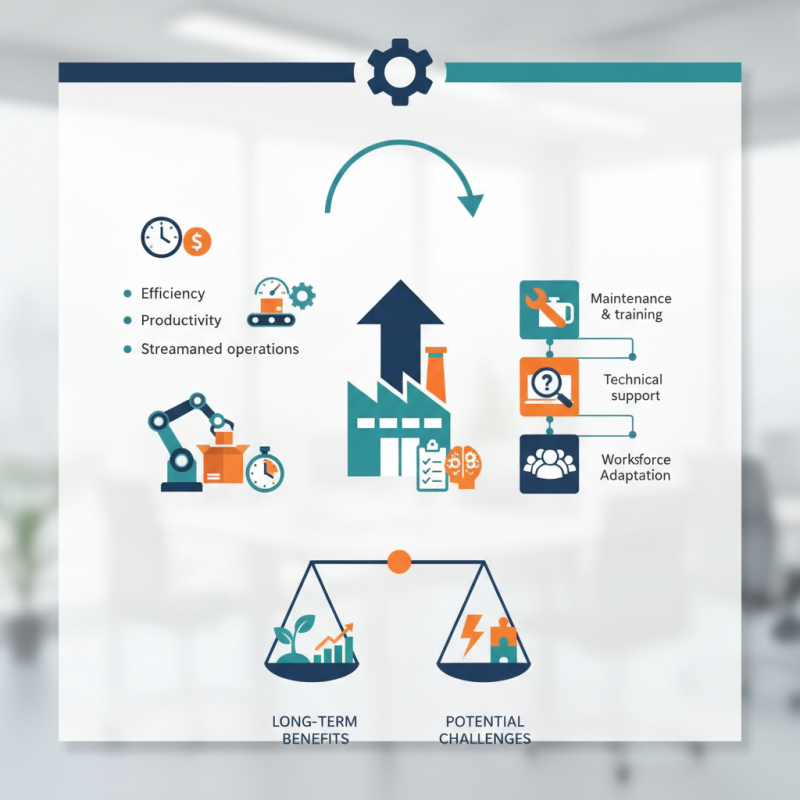
In today's competitive market, efficiency is crucial for any business. A Packing Machine can significantly enhance productivity and streamline operations. These machines automate the packaging process, saving time and reducing labor costs. With a reliable packing machine, you can package products faster and more accurately.
Consider the potential of a Packing Machine in your workflow. Imagine the reduction in manual errors and waste. It allows your team to focus on other important tasks. However, not every machine fits every business need. It's vital to analyze your specific requirements before making a purchase. Investing in the right packing machine can lead to long-term benefits, but it also comes with considerations.
Think about maintenance and training. Understand that any machine may require technical support. Is your workforce ready to adapt? Evaluate how a packing machine can transform your processes while also identifying the potential challenges in implementation. Balancing these factors can help your business thrive in a fast-paced environment.
Advantages of Using Packing Machines in Modern Businesses
In modern businesses, packing machines offer significant advantages. These machines enhance efficiency, saving both time and labor costs. According to a recent industry report, automating packaging can increase production rates by 30% or more. This spike allows companies to meet growing demand without compromising quality.
Adopting a packing machine also leads to better consistency in packaging. Manual packing often results in variations that can affect customer satisfaction. Automated systems ensure uniformity, which is critical for brand reputation. Equipment that minimizes waste can also lead to reduced material costs. As reported, businesses that invested in packing automation saw a decrease in packaging waste by up to 20%.
Tips: Consider maintenance costs when choosing a packing machine. Regular upkeep can prevent unexpected breakdowns. Assess the scalability of the machine too. As your business grows, you want a system that can adapt to increased output needs. Selecting a versatile machine can future-proof your investment.
Automation Trends in the Packing Industry: Data and Insights
The packing industry is rapidly evolving. Automation trends are reshaping how businesses operate. Machines can now pack products faster and more consistently than human labor. This shift reduces labor costs and increases efficiency. Many businesses adopt new technologies for their packaging needs. However, not all companies are ready for this change.
Data shows that automated packing machines can improve productivity by over 30%. Yet, some companies struggle with the transition. They face challenges in integrating new machines into existing processes. Training staff on new systems takes time. Some workers may resist changes, fearing job loss. A careful approach is necessary.
Investing in automation can lead to higher profit margins. Yet, businesses should analyze their specific needs before making the leap. There is a risk that a machine might not meet all packaging requirements. Flexibility can be an issue, especially for small businesses. Even as technology advances, human oversight remains critical. Balancing automation with personal touch is key in this evolving industry.
Automation Trends in the Packing Industry
Cost Efficiency: How Packing Machines Reduce Labor Expenses
Packing machines can significantly reduce labor expenses, making them a smart investment for many businesses. By automating packing processes, businesses can cut down on manual labor hours. This leads to lower labor costs over time. For example, a packing machine can handle tasks like sealing, labeling, and boxing, which typically require multiple workers. Automation not only saves money but also increases productivity.
Tips: Consider the scale of your production. A smaller operation might not need a large, complex machine. Starting with a compact model can help manage costs while still improving efficiency.
Another point to reflect on is maintenance costs. Machines require upkeep, which can add to expenses. It's essential to budget for regular maintenance. This ensures that your packing machine functions optimally, avoiding costly breakdowns.
Investing in a packing machine can enhance efficiency but requires careful planning. Think about how it fits into your overall business model. An automated solution should align with your long-term goals. Balancing initial costs with potential savings is crucial.
Increased Consistency and Quality Control in Packaging Processes
The choice of a packing machine significantly enhances consistency in packaging processes. Automating the packing process reduces human error. It ensures that each package is filled uniformly. This uniformity also minimizes waste. When each product meets a set standard, consumers receive quality they can trust.
Quality control becomes more straightforward with machinery. Machines can be calibrated to specific measurements. This precision leaves little room for mistakes. However, reliance on technology can sometimes lead to mechanical failures. Regular maintenance is vital to prevent unexpected downtime. Businesses must weigh their options carefully.
Employees still play a critical role in overseeing these machines. Training staff on proper usage is essential. Without adequate knowledge, errors can creep in, despite automation. The balance between man and machine should be continually evaluated. Regular feedback loops can help identify any issues early.
Choosing the Right Packing Machine: Factors and Industry Examples
Choosing the right packing machine can transform your business. Efficiency is crucial. According to a recent industry report, 30% of companies that upgraded their packaging solutions saw a 25% increase in productivity. This is significant, especially in fast-paced environments.
Consider the specific needs of your industry. For example, food and beverage companies require machines that ensure hygiene. Pharmaceutical industries prioritize accuracy and precision in dosing. Overlooking these factors can lead to costly mistakes. A report indicates that 20% of packaging errors stem from improper machinery selection.
Customization is also a key factor. Standard machines may not fit every product. A recent survey showed that 40% of businesses prefer tailored solutions for their unique needs. However, customization can be complex. Balancing cost and function is essential. Reflecting on these considerations can help you make a wise choice.