Why Choose Cobot Robots for Collaborative Work in Modern Industries?
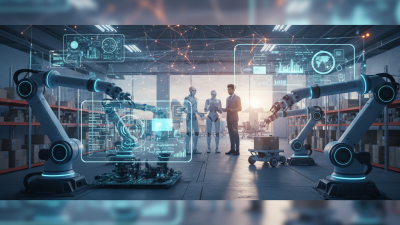
In today's fast-evolving industrial landscape, the adoption of cobot robots is reshaping how tasks are performed. These collaborative robots enhance efficiency and safety in various sectors. Dr. Emily Stanton, a renowned robotics expert, states, "Cobot robots are the future of human-robot interaction, making workplaces safer and more productive."
Cobot robots work alongside humans, supporting them in repetitive or dangerous tasks. They are designed with advanced sensors, ensuring they can operate safely in dynamic environments. This collaboration allows human workers to focus on more complex responsibilities, fostering innovation and creativity.
However, businesses must carefully assess their integration of cobot robots. Not every task is suitable for automation. Companies should analyze workflow and employee training. Balancing technology with human touch is crucial to maximize potential and find harmony in modern industries.
Types of Cobot Robots Used in Modern Industries
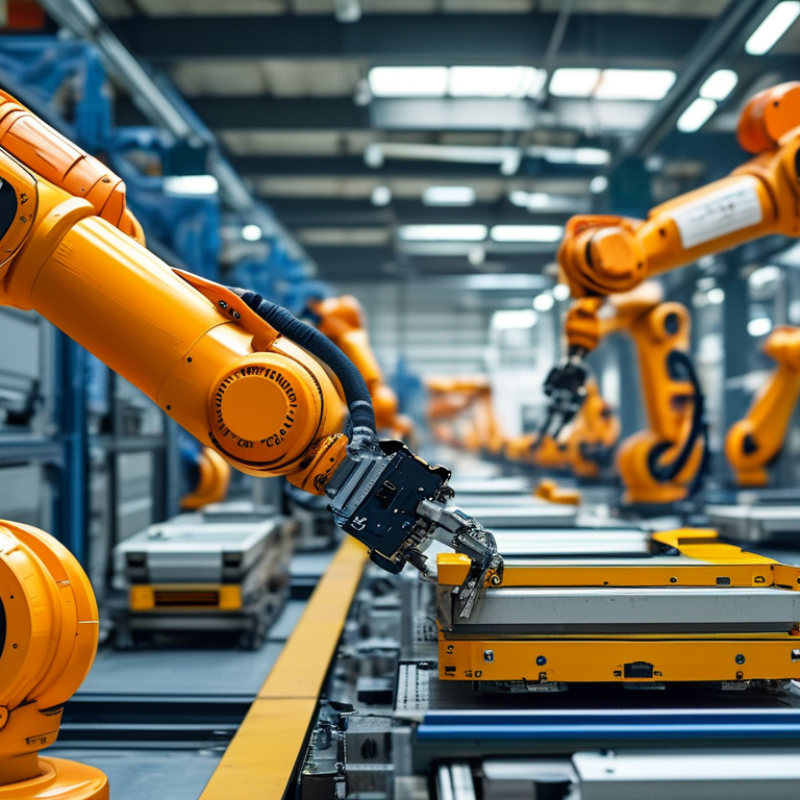
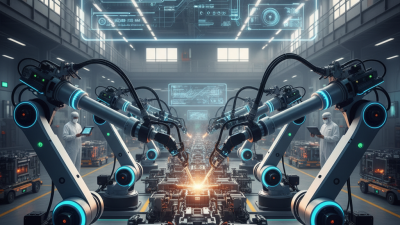
Cobot robots, or collaborative robots, are increasingly popular in modern industries due to their versatility. There are several types of cobots, each designed for specific tasks. For example, the robotic arms are well-suited for assembly lines. They can lift and place components with precision. These arms help to reduce the physical strain on human workers and improve productivity.
Another notable type is the mobile cobot. These robots can navigate through workspaces autonomously. They transport materials and products, freeing up employees for more complex tasks. In warehouses, mobile cobots streamline logistics. This efficiency often leads to reduced operational costs.
Despite their benefits, the integration of cobots is not without its challenges. Some workers may feel threatened by automation. It is essential for organizations to provide training and reassurance. This can ease concerns and enhance collaboration between humans and robots. Reflecting on the human-robot dynamic is crucial. Companies need to address the fears while capitalizing on the advantages cobots offer.
Advantages of Collaborative Robots Over Traditional Automation
Collaborative robots, or cobots, are transforming modern industries. Unlike traditional automation, cobots work alongside humans. This synergy enhances productivity. Cobots are designed to be safe and easy to operate. They can adapt to various tasks, which makes them versatile for different applications.
One significant advantage of cobots is their flexibility. They can quickly switch from one task to another, unlike rigid traditional robots. This is especially useful in dynamic production environments. They are also user-friendly, requiring minimal programming skills. This opens opportunities for businesses with limited technical resources.
Tips: Always assess the specific needs of your workforce before choosing automation solutions. Mind the potential learning curve your team may face when integrating new technology. Regular feedback from staff can reveal areas for improvement. Engagement is essential for successful collaboration between humans and robots.
Key Features of Cobot Robots That Enhance Workplace Safety
Cobot robots are transforming modern industries by enhancing workplace safety. One key feature is their ability to operate alongside human workers. Unlike traditional industrial robots, cobots are designed with sensitivity and safety in mind. They can detect nearby humans and stop or slow down when necessary. This significantly reduces the risk of accidents on the production floor.
Another important aspect of cobots is their lightweight design. They are easier to maneuver and can be relocated without heavy machinery. This flexibility allows companies to adapt workspaces quickly. However, this versatility can lead to challenges. Workers must be trained to understand how to interact safely with these machines. A lack of comprehension can result in unsafe situations, emphasizing the importance of proper training.
Furthermore, cobots often come equipped with advanced sensors and safety features. These can include force limiters and vision systems, enabling them to perform complex tasks without endangering their human counterparts. While these technologies improve safety, they are not infallible. Regular maintenance and updates are crucial to ensure these systems function correctly. Over time, even the best technology requires thoughtful oversight to remain effective.
Applications of Cobot Robots in Various Industrial Sectors
Cobot robots are transforming various industrial sectors. They work alongside human operators, enhancing efficiency and safety. In manufacturing, cobots help with assembly tasks. Their ability to handle repetitive tasks allows humans to focus on more complex duties. This coexistence leads to smoother workflows and improved productivity.
In the logistics sector, cobots assist in warehouse operations. They move goods, sort packages, and help with inventory management. These robots reduce the physical strain on workers. However, integrating cobots comes with challenges. Training and adapting workflows are necessary to maximize their benefits. Not all employees may feel comfortable with robots at first.
Healthcare is another area where cobots shine. They assist in lifting patients and managing supplies. This support enables healthcare staff to provide better care. Yet, balancing technology and human touch is crucial. Some patients may prefer human interaction over robotic assistance. As industries evolve, the role of cobots will need ongoing assessment and refinement.
Challenges and Considerations in Implementing Cobot Solutions
Implementing cobot solutions in modern industries is not without challenges. Companies must first assess their existing workflows. This involves identifying tasks that require collaboration between humans and robots. Misalignment of expectations can lead to frustration. Workers may feel threatened by robotic assistance rather than supported. Effective communication across teams is vital.
Training is another significant hurdle. Employees need to understand how to work alongside cobots. This requires tailored training programs that address specific roles. Furthermore, maintenance of these systems can be complex. Downtime for repairs may disrupt operations. Balancing efficiency and reliability is essential for integration.
Data security is also a critical concern. The more interconnected systems become, the higher the risk of cyber threats. Protecting sensitive information is imperative. Additionally, regulatory compliance adds another layer of difficulty. Laws can vary greatly across regions, complicating deployment. Stakeholders must approach these factors with due diligence. Ignoring them could hinder success in implementing cobot technologies.