How to Choose the Best Picking Robots for Your Warehouse?

In the evolving world of logistics, picking robots have become a game-changer. According to Dr. Jonathan Smith, a leading expert in warehouse automation, “The right picking robots can drastically improve efficiency and accuracy.” This statement underscores the importance of making informed choices when selecting these essential machines for your warehouse.

Warehouse operations rely heavily on efficiency. Picking robots can significantly reduce human error and speed up order fulfillment. However, not all picking robots are created equal. Factors such as load capacity, speed, and integration with existing systems must be evaluated carefully. The plethora of options can be overwhelming, leading to potential missteps in investment decisions.

Ultimately, selecting the best picking robots requires a discerning eye and a thorough understanding of specific needs. Engaging with industry experts and reviewing real-world case studies can provide valuable insights. Failure to consider these factors may result in underperformance and wasted resources. Make choices that reflect both technological advancement and practical application, ensuring the future prosperity of your warehouse operations.

How to Choose the Best Picking Robots for Your Warehouse?

Understanding the Different Types of Picking Robots Available

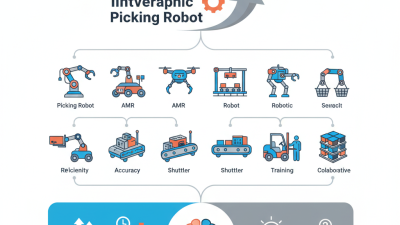
When it comes to choosing the best picking robots for your warehouse, understanding the different types is crucial. Picking robots are categorized primarily into autonomous mobile robots (AMRs) and robotic arms. AMRs navigate through the warehouse, transporting goods from one location to another. They excel in dynamic environments. Robotic arms, on the other hand, are commonly used for tasks involving item sorting and packaging. They excel in structured settings with fixed locations.

Tips: Evaluate your warehouse layout. If you have tight aisles, consider using smaller AMRs. For repetitive tasks, robotic arms could save time. Consider the robots' payload capacity too.

Another classification is based on their picking mechanisms. Some robots utilize visual identification systems, allowing them to pick a variety of items efficiently. Others rely on predefined bins and shelves. This choice affects your operational flexibility.

Keep in mind the scalability of the robots. As your warehouse grows, your automation needs may change. Choosing a robot that can adapt is vital. It is worth questioning if the current technology will meet future demands.

How to Choose the Best Picking Robots for Your Warehouse? - Understanding the Different Types of Picking Robots Available

Robot Type Key Features Payload Capacity Ideal Use Case Cost Range
Autonomous Mobile Robots (AMRs) Navigation flexibility, adaptive paths up to 500 kg Mixed SKU environments $50,000 - $150,000
Automated Guided Vehicles (AGVs) Fixed routes, high reliability up to 1,000 kg Heavy load transport $70,000 - $200,000
Robotic Arm Pickers Precision handling, specialized tasks up to 250 kg Packing and assembly operations $30,000 - $100,000
Collaborative Robots (Cobots) Safe to work alongside humans, easy integration up to 10 kg Lightweight tasks, sorting $20,000 - $50,000

Evaluating Your Warehouse Layout and Picking Needs

When evaluating your warehouse layout, consider the total available space. A productive layout enhances efficiency and minimizes movement. Measure aisles carefully. Are they wide enough for robots? This can directly influence picking speed. A tight layout may slow down operations, so ensure there's room for robot navigation.

Next, analyze your picking needs. What types of products do you handle? Different items may require unique picking solutions. High-demand items should be easily accessible. Think about the picking frequency and item variability. Are you moving many small items or fewer large ones? This distinction guides your robot selection.

Take a close look at your workflow. Are there bottlenecks in the current process? Addressing these can lead to smoother operations. Gathering input from team members can reveal hidden issues. Not every layout will suit every robot. Be open to reassessing your approach based on the evolving needs of your warehouse.

Key Features to Look for in Picking Robots

When selecting the best picking robots for your warehouse, focus on key features. Automation plays a vital role in enhancing efficiency. According to a recent report by Interact Analysis, 85% of warehouses that adopt robotics experience significant productivity gains. This illustrates the impact of choosing the right technology.

Start by considering the robot's payload capacity. A picking robot must handle various item sizes and weights. Many robots can lift between 10 and 50 kilograms. Evaluate the dimensions of your typical products. Additionally, ensure the robot can navigate your warehouse layout. Flexibility and ease of mobility are crucial for seamless operations.

Look for robots equipped with advanced vision systems. These systems greatly improve item recognition and separation, reducing errors. A McKinsey report suggests that automation can cut operational costs by up to 30%. However, keep in mind that initial investments can be substantial. Companies should be prepared to adapt their workflows to integrate robotic systems effectively. This might lead to temporary disruptions but can result in long-term efficiency. Emphasizing these features will help ensure that you select a robot that meets your needs.

Key Features to Look for in Picking Robots

Assessing the Cost-Effectiveness of Picking Robots

How to Choose the Best Picking Robots for Your Warehouse?

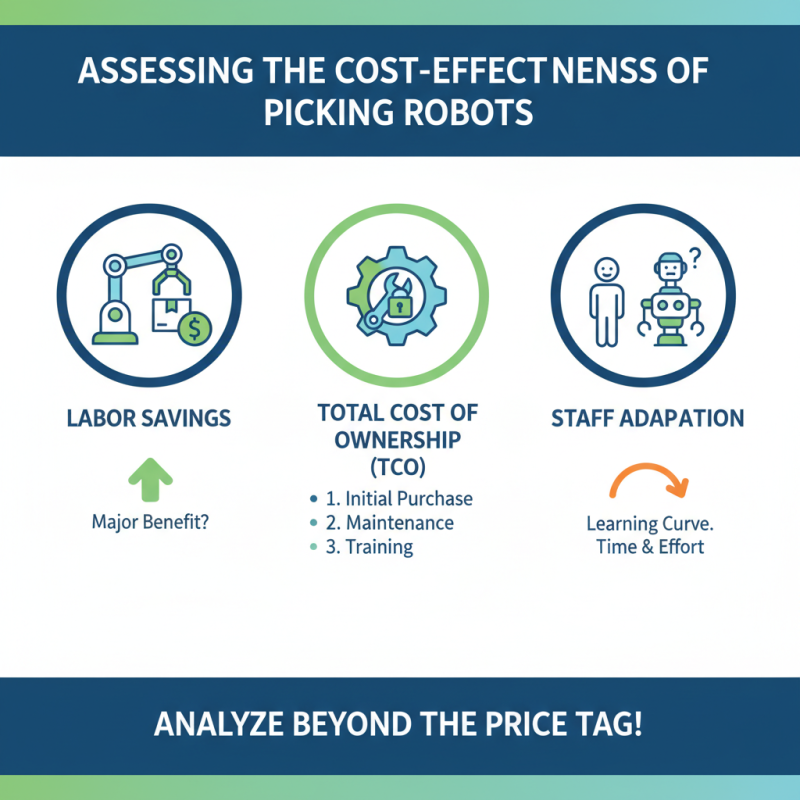
When assessing the cost-effectiveness of picking robots for warehouses, various key factors come into play. Labor savings are often touted as a major benefit. However, it’s essential to analyze the total cost of ownership. Investing in these technologies involves not only the initial purchase price but also maintenance and training costs over time. Many underestimate the learning curve for warehouse staff. Their adjustment to working alongside robots can take time and effort.

Another consideration is productivity. While robots can boost picking speeds, one must evaluate if this improvement translates to increased revenue. It’s wise to pilot test robots in specific scenarios. Analyzing metrics such as order accuracy and processing time during these trials can provide vital insights. Expectations should remain realistic; robots may not be a one-size-fits-all solution.

Moreover, it’s crucial to consider the integration process. Compatibility with existing warehouse management systems can pose challenges. Choosing robots that fit well with current operations may seem easier but can lead to hidden costs. Continuous feedback from staff will help refine processes. These reflections are essential for a successful implementation that supports operational goals.

Integrating Picking Robots into Your Existing Workflow

Integrating picking robots into your existing workflow can significantly enhance productivity. According to a 2023 report from the International Federation of Robotics, about 67% of warehouses have already adopted some form of automation. However, successful integration requires careful planning and consideration of existing processes.

Before introducing robots, analyze current workflows. Identify bottlenecks and repetitive tasks that can be optimized through automation. For instance, if picking accuracy is below 90%, it might be time for robotic solutions. Studies indicate that robots can improve picking speeds by up to 30% while reducing errors dramatically. Choosing the right type of robot is essential, as not all robots fit every situation.

Communication between human workers and robots is also crucial. A 2022 survey revealed that 54% of warehouse employees expressed concern about job displacement. Efforts need to be made to train staff on new technologies. Engaging workers can ease anxiety and foster a collaborative environment. It's vital to create a system where human and robot work in synergy rather than competition. Regular assessments can help identify areas for further improvement.

Smart Robotics brand movie

Watch video