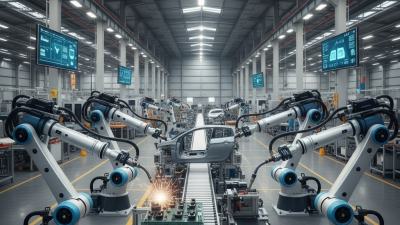
China Top 10 Pick and Place Robots for Efficient Automation Solutions?
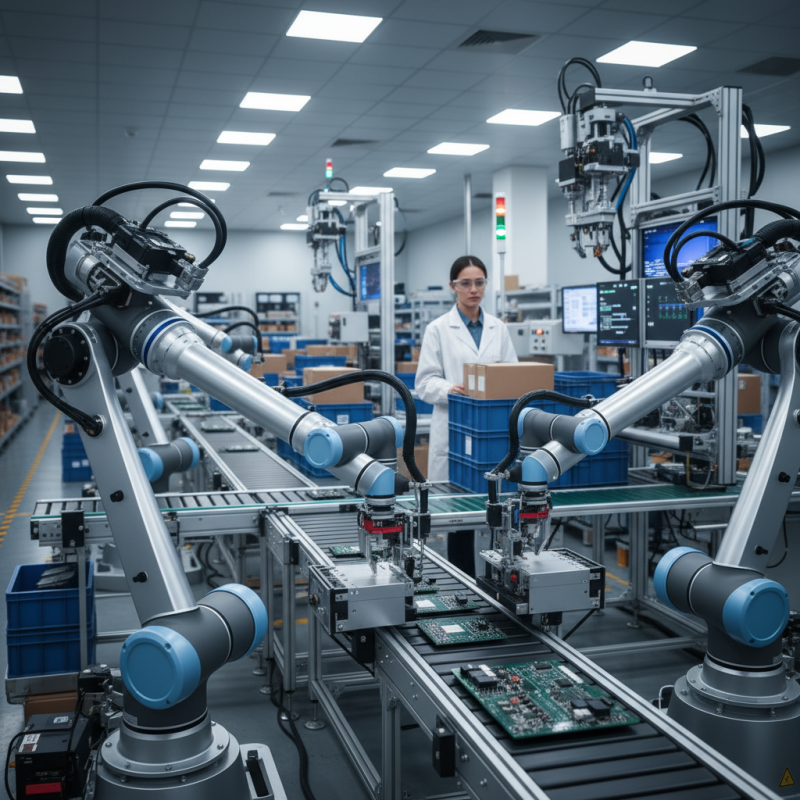
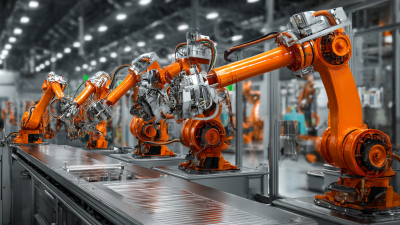
As industries strive for greater efficiency, the demand for automation continues to rise. Pick and place robots are at the forefront of this revolution. They enable precise handling of products, ensuring speed and accuracy in various sectors, from manufacturing to logistics.
Dr. Emily Chen, an expert in robotics at Tsinghua University, emphasizes the importance of these machines. She states, "Pick and place robots enhance productivity while reducing errors." This statement highlights how vital these systems are for modern production lines.
In China, the market for pick and place robots is rapidly expanding. Companies are adopting these solutions to streamline operations. However, the journey to full automation can face challenges. Issues such as integration, programming, and cost-effectiveness must be addressed. The benefits, however, remain significant, leading many industries to pursue these innovative solutions.
Overview of Pick and Place Robots in China’s Automation Landscape
In recent years, pick and place robots have gained significant traction in China's automation landscape. These robots enhance efficiency in various industries, from manufacturing to packaging. With their precision and speed, they can handle a wide range of items, significantly reducing manual labor. This shift towards automation addresses the growing demand for productivity and consistency on production lines.
However, the integration of these robots is not without challenges. Some companies struggle with adapting existing workflows to accommodate these new technologies. Training employees to work alongside robots is essential. Obsolete skills may hinder progress. Moreover, initial investment costs can be a barrier for smaller firms. Balancing automation with labor needs raises important questions about job security and workforce adaptation.
Despite these hurdles, the benefits of pick and place robots are undeniable. They can work tirelessly, performing repetitive tasks with high accuracy. Many firms are leveraging data analytics to optimize robot performance. Yet, constant monitoring is essential to prevent errors. As businesses continue to explore automation, the evolution of pick and place robots will play a crucial role in shaping China’s industrial future.
China Top 10 Pick and Place Robots for Efficient Automation Solutions
| Model |
Payload Capacity (kg) |
Reach (mm) |
Speed (Cycles/min) |
Application |
| Model A |
5 |
800 |
20 |
Electronics Assembly |
| Model B |
10 |
1200 |
15 |
Packaging |
| Model C |
8 |
900 |
25 |
Food Processing |
| Model D |
15 |
1500 |
10 |
Automotive |
| Model E |
12 |
1100 |
18 |
Logistics |
Key Features and Technologies of Top Pick and Place Robots
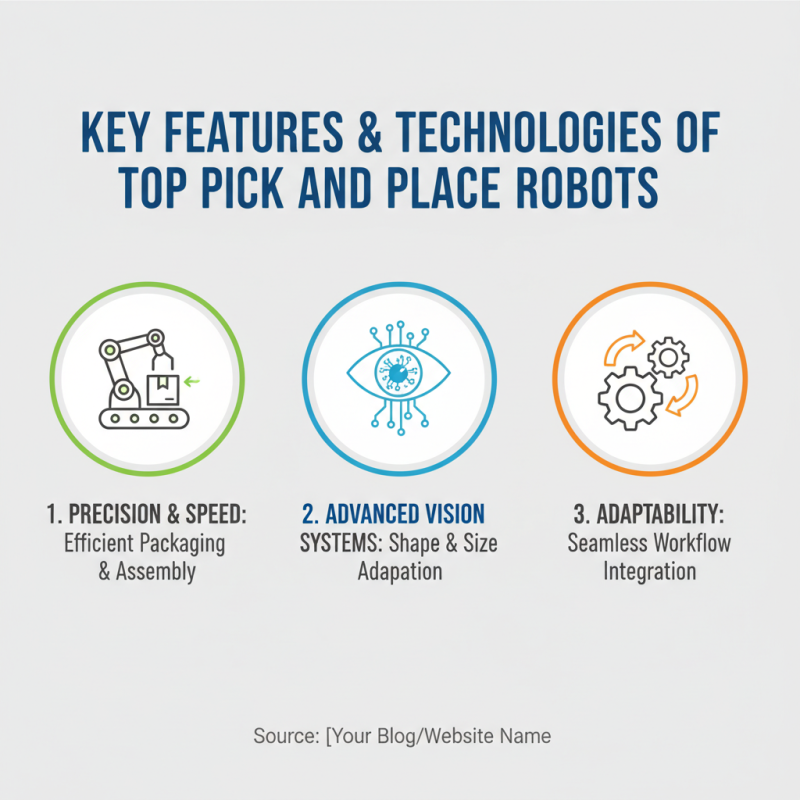
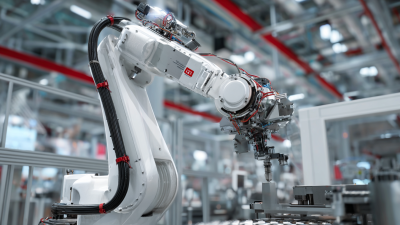
When exploring the realm of pick and place robots, several key features emerge that define their efficiency. These robots excel at precision and speed, crucial for tasks like packaging and assembly. Often equipped with advanced vision systems, they can adapt to various shapes and sizes. This adaptability ensures seamless integration into different workflows.
Tips: Assess the specific needs of your operations before selecting a robot. A tailored approach can enhance efficiency significantly.
Another important technology is the use of artificial intelligence in these robots. AI enhances decision-making capabilities, allowing for unexpected changes in operation. For instance, if a product's position shifts, an intelligent system can adjust the picking strategy accordingly. This flexibility boosts productivity.
Tips: Regular maintenance is essential for optimal performance. Monitor the robots closely to avoid unexpected downtimes.
Lastly, the materials used in constructing these robots matter. Lightweight yet sturdy materials reduce energy consumption. However, striking the right balance can be challenging. Investing in high-quality components may offer better long-term performance. Balancing cost and quality requires reflection and careful planning.
Comparison of Leading Brands and Models in China’s Market
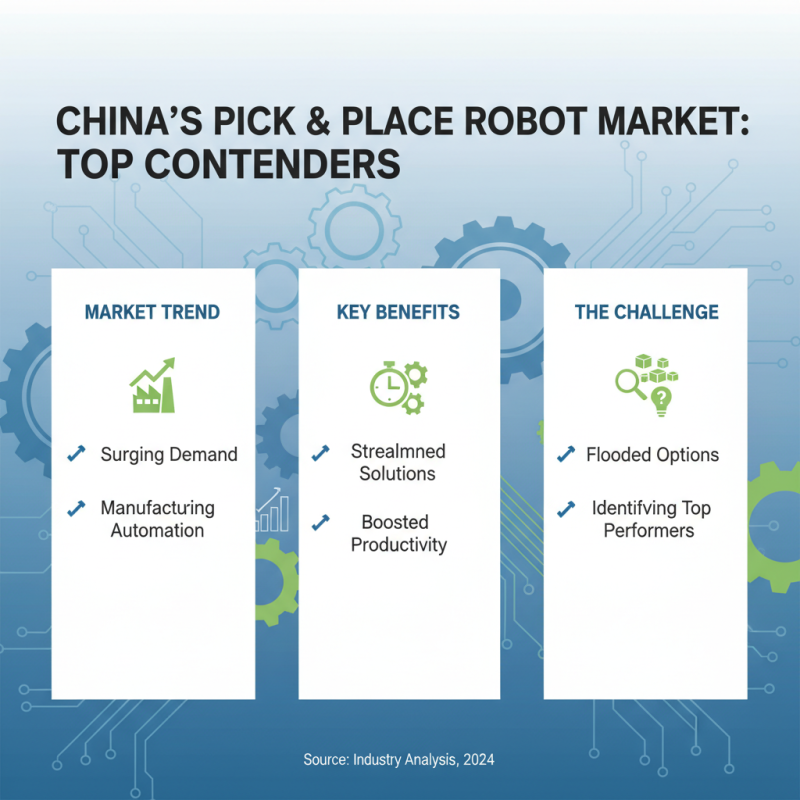
In recent years, the demand for pick and place robots in China has surged. These robots offer streamlined solutions for various industries, especially manufacturing. Companies are increasingly seeking efficient automation to boost productivity. However, the market is flooded with options, making it challenging to identify the top contenders.
When assessing the leading brands, one must consider several factors. Speed, precision, and adaptability are crucial. The versatility of these robots allows them to handle diverse products with ease. Yet, not all models deliver on these promises. Some may excel in speed but lag in precision, while others might be user-friendly but lack robustness. Customers often face difficulties in making informed decisions due to contrasting specifications and performance metrics.
User experiences also play a vital role in understanding each model's strengths and weaknesses. Some users report exceptional performance, while others highlight issues like software glitches or inadequate support. This inconsistency raises questions about reliability. Choosing the right robot means weighing these factors carefully. Automation is an investment, and making the wrong choice can result in lost efficiency and resources.
Applications of Pick and Place Robots Across Various Industries
Pick and place robots have become a cornerstone in various industries, enhancing productivity and efficiency. In manufacturing, these robots handle components with precision. According to a recent report by a leading market research firm, the global market for industrial robots is projected to reach $70 billion by 2028. This growth highlights the increasing reliance on automated systems for tasks like assembly, packaging, and quality control.
In the food and beverage sector, pick and place robots automate the sorting and packaging processes. This reduces human error and minimizes product waste. Research indicates that companies adopting robotic solutions report a 30% increase in efficiency. However, the integration of these technologies is not without challenges. Many organizations struggle with the initial investment and require specialized training for staff. Moreover, transition periods can disrupt workflow and impact overall productivity.
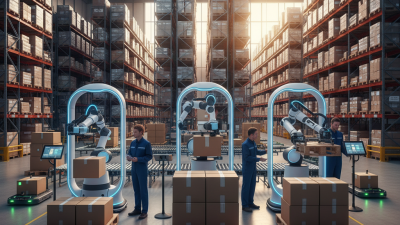
Retail also benefits from pick and place robots, particularly in inventory management. Automated systems help in restocking shelves and processing online orders faster. A study shows that retailers utilizing robotic solutions can meet customer demands quickly, resulting in a 20% increase in customer satisfaction. Yet, the reliance on technology raises concerns about job displacement in the workforce, prompting debates on how to balance innovation with employment stability.
Future Trends and Innovations in Pick and Place Robotics in China
In China, pick and place robots are evolving rapidly. These machines are becoming integral to automation in various industries. They enhance productivity and efficiency, but challenges still exist. Many factories are adopting these robots to streamline processes and reduce labor costs. However, integration remains a hurdle for some organizations. The initial setup can be complex, requiring skilled technicians.
Future trends indicate a shift towards smarter robots. These robots will utilize artificial intelligence for better decision-making. Enhanced vision systems may also improve precision and adaptability. As technology advances, reduced operational costs will become more realistic. Yet, the reliance on technology raises questions about job displacement. Balancing automation with employment opportunities is essential as we move forward.
Another area of innovation involves collaboration between humans and robots. Cobots are designed to work alongside human workers, enhancing efficiency while maintaining safety. This partnership may redefine work environments. However, skepticism about automation must be addressed. Companies should consider the human element when implementing robotic systems. Emphasizing training and reskilling programs can help ensure a smoother transition.