When darkness falls, a narrow beam from headlights can reveal a cyclist, worker, bag, or vehicle from a distance. That moment depends on more than brightness. Reflective Strips must return light toward its source, stay attached, and remain visible after rain, washing, abrasion, and repeated bending. Choosing the right strip sounds simple. It is not. A product that performs well on a rigid trailer may peel from a flexible jacket. A brilliant sample may also lose contrast against a bright background or dirty surface.
This guide examines the best Reflective Strips through practical criteria, including reflectivity, viewing angle, material, adhesive strength, flexibility, weather resistance, and application method. It compares glass-bead and prismatic designs, along with sew-on, heat-transfer, and pressure-sensitive options. Real use matters here. A warehouse vest, running backpack, and roadside sign face different movement, cleaning, and exposure demands. Look for clear manufacturer specifications, consistent construction, and test evidence rather than impressive marketing alone. Where possible, inspect a strip under headlights from several angles and check its edges after installation. Small gaps can become failure points. There is no universal winner. That is easy to overlook. Personal experience helps, but it can also mislead. Surface color, fabric, weather, and maintenance habits change the result. The safest choice matches the task, installs correctly, and gets replaced when performance visibly declines.
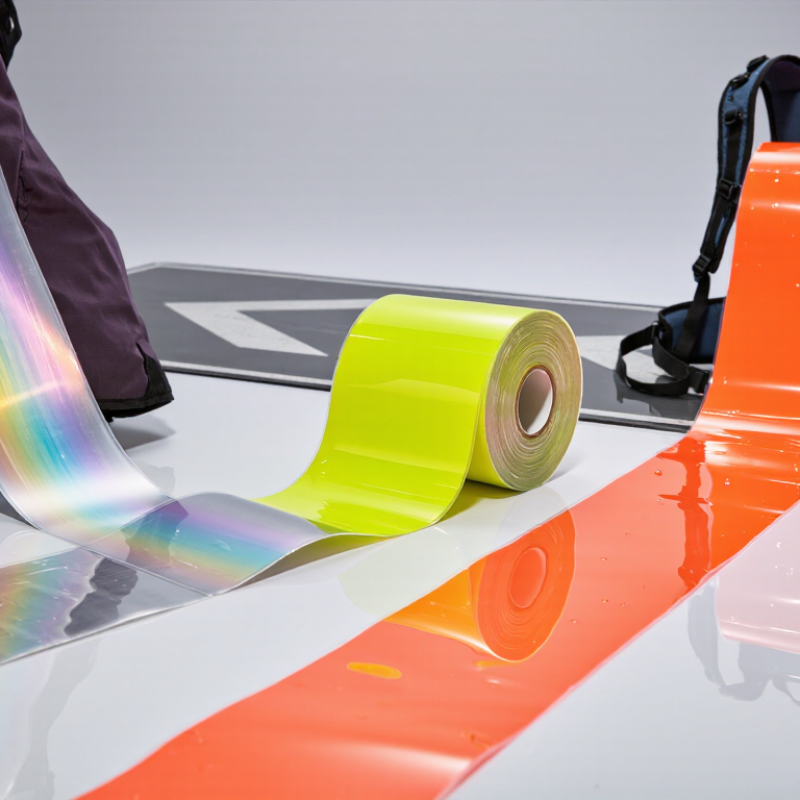
Reflective strips are narrow bands that redirect light toward its source. A vehicle headlamp can make them appear bright from a distance. This differs from ordinary white fabric, which scatters light in many directions. Glass-bead and microprismatic materials are common designs. Microprismatic surfaces usually provide stronger retroreflection, but performance depends on viewing angle, moisture, dirt, and wear. The CIE Technical Report 54.2 explains how retroreflection changes as the observer and light source move apart. That detail matters on curved clothing, bicycles, bags, and work equipment.
Visibility is not merely about brightness. NHTSA’s 2023 Traffic Safety Facts reported 7,314 pedestrian deaths in the United States. Many incidents occurred in low-light conditions, when dark clothing blends into the roadside background. Strips placed on the front, back, and sides create more viewing opportunities. Bands near the ankles can also show movement, which may help drivers recognize a person sooner. They should contrast with the garment and remain unobstructed. Wet mud can reduce performance quickly. So can repeated washing.
I once assumed one large strip was enough. That assumption was incomplete. Placement matters more than appearance. A strip hidden under a backpack offers little practical protection. The FHWA’s visibility guidance also stresses clean, maintained materials and adequate contrast. Look for products tested against recognized high-visibility standards, then inspect them after abrasion, fading, or peeling. No strip works continuously. A driver still needs time, distance, and attention to react.
What Are the Best Reflective Strips for Safety?
Key Types of Reflective Strips and Their Safety Applications
Reflective strips improve recognition when headlights reach a worker, cyclist, vehicle, or barrier. The need is substantial. The World Health Organization’s Global Status Report on Road Safety 2023 estimates 1.19 million annual road deaths worldwide. NHTSA’s 2022 Traffic Safety Facts also identifies darkness as the lighting condition in most fatal pedestrian crashes.
Glass-bead strips offer economical visibility for workwear, bags, and temporary equipment. Their glow is softer and works best at moderate viewing angles. Microprismatic strips return more light across wider angles. They suit road barriers, trailers, emergency clothing, and industrial vehicles. Fluorescent yellow or orange materials add daytime contrast, but they are not fully reflective at night. That difference matters.
Standards provide a practical selection guide. ANSI/ISEA 107-2020 defines performance classes for high-visibility apparel, while EN ISO 20471 specifies fluorescent and retroreflective requirements. Choose broad, continuous bands on moving workers. Use contrasting patterns on vehicles to show direction and shape. Clean surfaces carefully. Dust, oil, wrinkles, and damaged edges reduce performance. A strip may look bright in a showroom yet fail after repeated washing or abrasion. That is an uncomfortable detail.
Check adhesion on the actual surface. Curved plastic, rough fabric, and cold metal behave differently. Test visibility from several distances and angles before installation. No strip replaces lighting, safe positioning, or attentive behavior. Visibility is a system, not a decoration.
| Reflective Strip Type | How It Works | Visibility Characteristics | Typical Safety Applications | Main Advantages | Important Considerations |
|---|---|---|---|---|---|
| Glass-Bead Retroreflective Strip | Uses tiny glass beads to return incident light toward its source. | Provides strong nighttime visibility when illuminated by headlights or a flashlight; performance is generally lower than microprismatic material at wider observation angles. | Workwear, uniforms, bags, backpacks, low-speed equipment, and general pedestrian visibility products. | Flexible, lightweight, widely available, and suitable for sewn or heat-applied designs. | Dirt, abrasion, repeated washing, and surface curvature can reduce performance; verify the product’s care instructions and intended use. |
| Microprismatic Retroreflective Strip | Uses arrays of microscopic prisms to reflect light efficiently back toward the light source. | Typically offers high nighttime brightness and effective visibility over a broader range of viewing angles than basic glass-bead materials. | High-visibility garments, traffic-control apparel, roadside workwear, vehicle markings, trailers, and emergency equipment. | Excellent conspicuity, strong long-distance recognition, and good suitability for demanding outdoor applications. | May be less soft or flexible than textile-based glass-bead tape; installation must follow the specified adhesive, heat, or sewing method. |
| Fluorescent Reflective Strip | Combines a fluorescent daylight-visible color with a retroreflective surface for low-light visibility. | Improves daytime conspicuity in overcast conditions and provides nighttime visibility when illuminated. | Road and construction workwear, school-crossing garments, cycling clothing, pedestrian safety apparel, and outdoor uniforms. | Supports both daytime and nighttime detection; bright fluorescent colors help distinguish the wearer from the background. | Fluorescent color can fade with ultraviolet exposure and washing; it is not a substitute for retroreflective performance at night. |
| Sew-On Reflective Textile Tape | A textile carrier holds reflective elements and is attached with stitching. | Provides consistent visibility on flexible garments while allowing repeated movement and laundering when properly constructed. | Jackets, trousers, uniforms, sportswear, safety vests, gloves, and washable fabric accessories. | Good flexibility, reliable mechanical attachment, and suitability for garments that require frequent washing. | Stitching quality, seam placement, laundering temperature, and the tape’s certified performance all affect service life. |
| Heat-Transfer Reflective Film | A pressure-sensitive or heat-activated adhesive bonds a thin reflective layer to fabric. | Can create bright, precise shapes, lettering, and segmented patterns that are visible under direct light. | Athletic clothing, cycling apparel, branded-free uniforms, decorative safety graphics, and fitted work garments. | Clean appearance, flexible design options, and no raised sewn edge when correctly applied. | Application temperature, pressure, dwell time, fabric compatibility, and washing instructions must be controlled carefully. |
| Vehicle-Grade Reflective Strip | Uses durable retroreflective sheeting designed to remain visible on rigid or semi-rigid surfaces. | Delivers high nighttime conspicuity for vehicles, trailers, barriers, and equipment exposed to headlights. | Trucks, trailers, utility vehicles, bicycles, road barriers, loading areas, and mobile equipment. | Durable outdoor construction, strong contrast, and suitability for marking vehicle edges and outlines. | Surface preparation is critical; legal requirements for color, placement, width, and approved performance vary by region and vehicle type. |
| Temporary Adhesive Reflective Strip | Uses a removable or short-term adhesive layer to attach reflective material without permanent installation. | Provides short-term nighttime marking when the surface is clean, dry, and within the adhesive’s operating range. | Temporary work zones, event equipment, rental items, short-term hazard marking, and test installations. | Fast installation, easy removal, and minimal tools or surface alteration. | Generally less resistant to moisture, abrasion, heat, and prolonged outdoor exposure than permanent systems. |
| Photoluminescent Strip | Absorbs ambient light and releases it gradually in darkness; it does not depend on headlights for visibility. | Useful in dark areas after sufficient charging light, but brightness decreases over time and is different from retroreflection. | Indoor egress routes, stair edges, corridors, equipment locations, and areas where backup visual guidance is needed. | Can remain visible during power interruptions and requires no electrical wiring or battery. | Should not be treated as a replacement for required emergency lighting or retroreflective markings; performance depends on charging light, cleanliness, and product specifications. |
Reflective strips should be compared by measured performance, not by brightness in a showroom. NHTSA’s Traffic Safety Facts: 2022 Data recorded 7,522 pedestrian deaths in the United States. About three-quarters occurred in dark conditions. That makes retroreflectivity important. Look for a coefficient of retroreflection, measured in cd/lx/m². Higher values usually return more light toward a driver. ASTM D4956 and EN ISO 20471 provide useful testing frameworks, although their classifications are not interchangeable. A phone-flash test helps, but it is not enough.
Durability begins with the strip’s surface and backing. Ask for abrasion, UV, salt-spray, and water-exposure results. A strip that fades after one summer is a poor safety choice. Adhesion also matters. ASTM D3330 peel testing can show bonding strength, but the substrate changes the result. Clean, dry metal behaves differently from dusty fabric or textured plastic. Press the strip firmly, especially along corners. Then inspect it after rain, freezing temperatures, and repeated bending. Weather resistance is often advertised broadly. The test conditions may be less demanding than your site. I would compare the actual hours, temperatures, and exposure cycles. That detail is easy to miss. A slightly imperfect edge may be acceptable, but early lifting is not.
What Are the Best Reflective Strips for Safety?
Choosing the best reflective strip starts with the environment, not appearance. For roads and outdoor work areas, use wide strips with strong retroreflective performance. They should remain visible when headlights strike from a distance. Rain, dust, and low temperatures can reduce brightness. A sealed, weather-resistant surface is therefore important.
Warehouses need a different approach. Narrow strips can mark shelving edges, carts, and floor hazards without creating visual clutter. For clothing, flexible strips should bend with movement and tolerate repeated washing. On helmets or curved equipment, use strips that conform smoothly without lifting at the edges. A bright strip is not automatically the best strip. It may fail if its adhesive does not suit the surface. I have seen this detail overlooked during quick safety checks.
Tips: Clean the surface before application. Test visibility from several angles. Check the strip after rain, washing, or heavy use. Replace peeling or cracked material promptly. Do not cover reflective areas with labels or tape. For dark work zones, combine reflective strips with suitable lighting, because reflection needs an external light source. A simple night test can reveal weak placement. Stand at the expected viewing distance, then inspect from the driver’s or worker’s position. Small adjustments often improve visibility more than choosing a brighter color.
ANSI/ISEA 107 minimum garment-area requirements by work environment
For off-road work, Type O garments require at least 155 in² of retroreflective material. Roadway garments use Type R requirements with at least 201 in², while public-safety garments use Type P requirements with at least 310 in². In general, wider and more continuous reflective strips are preferable where workers face vehicle traffic, poor lighting, or complex backgrounds.
Source basis: ANSI/ISEA 107 minimum area requirements for high-visibility safety apparel.
Reflective strips work only when they face approaching light. NHTSA’s 2022 Traffic Safety Facts recorded 7,522 pedestrian deaths in the United States, with most occurring in dark conditions. That statistic makes installation quality more than a cosmetic concern. Choose material meeting the relevant performance requirements in ANSI/ISEA 107. Measure the surface first. Cut cleanly, round the corners, and avoid placing strips over seams, folds, or drainage points.
Apply strips to a clean, dry, oil-free surface. Follow the manufacturer’s temperature guidance, because cold surfaces can weaken adhesive contact. Press from the center outward to remove trapped air. Leave no lifted edges. On vehicles, place matching strips at similar heights on both sides. A headlight check from about 100 metres can reveal poor alignment, but this check is not a laboratory measurement.
Inspect strips monthly and after pressure washing, heavy rain, or equipment repairs. Look for peeling corners, cracking, fading, dirt, and blocked reflective cells. FHWA nighttime-visibility guidance emphasizes keeping visibility treatments clean and unobstructed. Replace damaged sections promptly, rather than layering new tape over loose material. A strip may still look bright in daylight while performing poorly at night. I have seen this mistake repeatedly. Document inspection dates, locations, and replacements; small records often expose neglected patterns. Do not rely on appearance alone. Surface abrasion, chemical exposure, and repeated flexing can shorten service life.
Watch video