A reserved parking space can be surprisingly easy to lose, especially in a shared driveway or a busy business lot. A Parking Lock creates a visible barrier that helps discourage unauthorized parking and makes space boundaries clearer. Some models rise by remote control, while others fold down manually. That difference matters when a driver is carrying bags, managing deliveries, or simply wants fewer steps in a rainy evening. Small details matter. Check the lock’s height, base dimensions, power source, and visibility before choosing one. A strong-looking unit may still be awkward if it blocks a gate or leaves too little room for a vehicle’s bumper.
This guide explores ten parking locks for home and business buyers, with attention to everyday usability, construction, installation, and maintenance. It also considers practical conditions, such as outdoor exposure, frequent vehicle movement, and access to charging or batteries. No model is perfect for every driveway. A compact manual lock may suit a private space, while a powered option could be more convenient for repeated use. Convenience, however, can bring extra maintenance. Compare each product’s specifications and installation requirements, and confirm that the surface can support its mounting method. The right choice is not always the most expensive or the most automated one; it is the lock that fits the space and remains easy to use consistently.
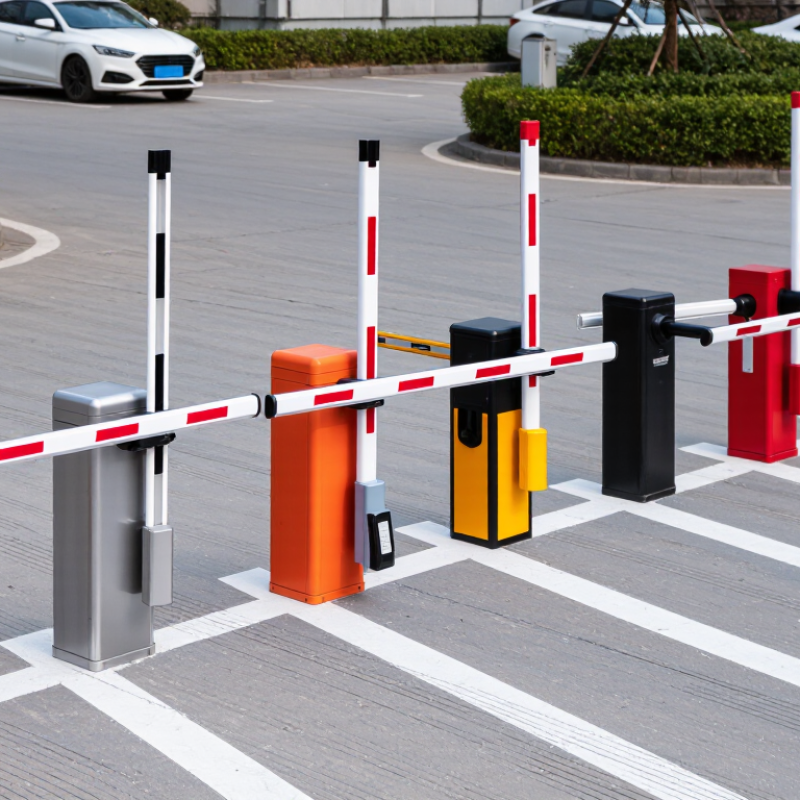
A parking lock is a compact barrier that helps reserve a specific space. It usually folds down or lifts up, allowing an authorized driver to park when needed. When raised, its metal arm or frame makes the space visibly unavailable to other vehicles. Some models use a key, while others operate with a remote or keypad. The right choice depends on who needs access and how often the space is used. Simple, but not foolproof.
Placement matters as much as the lock itself. A barrier set too close to a vehicle’s bumper can be awkward to reach, while one placed poorly may leave room for a car to enter. Measure the space and check the vehicle’s turning path before installation. The surface matters, too: concrete and asphalt may require different anchors, and loose or damaged paving can weaken a secure fit. Follow the installation guidance for the specific model.
It is tempting to think a raised lock guarantees protection. That assumption is too simple. A parking lock can discourage casual use and make a reservation clear, but it cannot prevent every collision or unauthorized attempt. Choose a visible location, keep pedestrian routes clear, and check the mechanism regularly for rust, loose bolts, or sticking hinges. Small checks help. For shared properties, clear instructions can prevent confusion, though people may still overlook them. A little planning is useful; perfect control is not realistic.
Parking locks keep a space clear by creating a physical barrier across the ground. A manual model usually rises or folds down with a key or hand-operated mechanism. It is straightforward, and it does not depend on power. You still need to leave your vehicle to operate it. On a cold, wet morning, that small task can feel less small. No charging required.
Remote-controlled locks use a motor and handheld transmitter to raise or lower the barrier. They suit driveways and business lots where users need access without stepping out of a vehicle. Check the operating range and battery requirements before installation. A remote can be misplaced, and a weak battery may leave the lock unresponsive. Keep a backup method available.
Smart parking locks may connect to a phone app, access sensors, or a shared control system. Depending on the model, users can check the lock’s position or grant access remotely. This can help when several people share a space. Yet smart features add setup and connectivity needs; a signal problem can interrupt access. Not always. Consider how reliable the site’s connection is, and whether everyone who needs access can use the controls comfortably. A simple lock may be the better fit for a quiet home driveway.
| Parking Lock Type | How It Works | Typical Power | Typical Raised Height | Best Suited For | Key Advantages | Points to Consider |
|---|---|---|---|---|---|---|
| Manual folding lock | A hinged barrier is raised or folded down by hand and secured in position with a built-in lock. | None | About 400–600 mm | Private driveways and individually assigned parking spaces | Simple construction, no wiring, and little routine maintenance | Requires someone to leave the vehicle to operate it; the hinge and lock need periodic checks. |
| Key-operated folding lock | A key releases the locking mechanism so the barrier can be folded down; it is raised and locked again manually. | None | About 400–600 mm | Homes or small lots where access is shared by a limited number of users | Provides controlled access without batteries or electrical installation | Users need to carry the key, and lost keys may require lock replacement or rekeying. |
| Removable parking post | A post slots into a ground-mounted receiver and is secured with a key-operated lock; it can be removed when access is needed. | None | About 500–800 mm | Driveways or access points that need to be fully opened occasionally | Creates a clear physical barrier and can be removed completely | The post must be stored safely when removed; the receiver needs a suitable foundation and drainage. |
| Telescopic locking bollard | A vertical bollard slides into a ground sleeve and is secured in the raised position, typically with a key lock. | None | About 500–800 mm | Residential entrances and low-traffic commercial access points | Stays anchored at the site and does not need to be carried or stored | Installation involves ground work; the sleeve can be affected by dirt, water, or ice without suitable drainage. |
| Remote-controlled folding barrier | An electric actuator raises or lowers a ground-mounted arm using a handheld remote control. | Rechargeable or replaceable battery; some installations use mains power | Commonly about 400–600 mm | Users who want to operate a reserved space without leaving the vehicle | Convenient operation and typically straightforward installation compared with in-ground systems | Remote range, battery life, and performance vary by design and site conditions; keep a manual release available. |
| Remote-controlled retractable bollard | An electric mechanism raises a bollard from a ground housing and lowers it on command from a remote control. | Battery or mains power, depending on the system | Commonly about 500–800 mm | Driveways or business entrances where a vertical barrier is preferred | Offers convenient access control and leaves little obstruction when fully retracted | Requires more involved ground installation than a surface-mounted barrier; check drainage and manual-release provisions. |
| Solar-powered remote parking lock | A small solar panel charges an internal battery that powers a remote-operated folding barrier. | Solar-charged rechargeable battery | Commonly about 400–600 mm | Outdoor spaces without convenient access to mains electricity | Can reduce wiring needs and recharge during periods of adequate sunlight | Charging depends on sunlight, panel placement, and weather; battery capacity and backup operation should be checked. |
| App-connected smart parking lock | A motorized barrier connects to a phone app, usually over Bluetooth or another supported wireless connection. | Rechargeable battery; some systems offer wired power | Commonly about 400–600 mm | Users who want phone-based operation or shared access management | May support multiple authorized users and access records, depending on the system | Features depend on the app and connection method; check offline operation, account security, and battery alerts. |
| Keypad or RFID access barrier | A motorized barrier responds to an authorized PIN or compatible RFID credential, with some systems also offering remote control. | Battery or mains power, depending on the system | Commonly about 400–800 mm, depending on barrier design | Shared residential parking and small business lots with several authorized users | Access can be granted without distributing a separate remote to every user | PINs or credentials need to be managed; confirm weather protection and a backup method for power or device failure. |
| Chained multi-space parking barrier | A lockable post or barrier secures a chain across a parking bay or a small group of spaces; the chain is released manually. | None | Post height commonly about 500–800 mm | Small private lots, reserved bays, or access areas that need a visible boundary | Can span a wider opening than a single folding lock and needs no electrical supply | Requires suitable anchor points and space for the chain; it is less convenient for frequent vehicle entry and exit. |
Specifications shown are typical examples, not guarantees for every product. Actual dimensions, power arrangements, weather resistance, installation requirements, and operating range vary by design and site. Confirm vehicle clearance, ground conditions, drainage, and local access requirements before installation.
A parking lock should match the way a space is used, not just look sturdy in a product photo. Compare its locking method, lifting effort, and access control. A manual model can be simple to operate, while a powered unit may suit frequent daily use. Check how it behaves during a power interruption, if applicable. Small details matter.
Look closely at the base and mounting requirements. The anchor type must suit the surface, whether it is poured concrete or another material; confirm this with a qualified installer if you are unsure. Measure the space with a vehicle parked in it. The lock should not scrape a bumper, block a walking route, or interfere with drainage. Check its folded height, too. It is easy to overlook.
Visibility and weather resistance deserve equal attention. Reflective panels can help drivers spot a low barrier in dim light, while a corrosion-resistant finish may be useful in wet or coastal conditions. Ask how the hinge, battery, and moving parts should be maintained, and whether replacement components are available. Compare the warranty terms and installation costs, not only the purchase price. A cheap lock can become an expensive nuisance. Also consider who needs access: a key-operated system may be adequate for occasional use, but shared business parking may call for simpler user management. The right choice depends on the site, and measurements are sometimes less tidy than expected.
A parking lock can protect a reserved space at home or help a small business manage limited parking. The right choice depends on who uses the space, how often vehicles arrive, and what the surface can support. Measure the parking bay and check clearance before buying. Measure twice. A raised barrier should be visible to drivers and positioned clear of tires, doors, and walking routes.
For a private driveway, a manual lock may suit occasional use and avoid reliance on charging. Shared or busy sites may benefit from a remotely operated model, but check its battery life, control range, and backup method. Keep it simple. Rain, dust, and temperature changes can affect moving parts, so review the weather-resistance rating and maintenance instructions. A lock that looks sturdy in a listing still needs suitable anchors and a sound installation surface.
Business buyers should consider traffic patterns, accessibility, and how staff will respond when a device stops working. A bright, reflective surface can improve visibility at dusk, though it cannot replace careful placement. Ask about warranty coverage, replacement parts, and the process for resetting access. I would not choose by price alone; cheaper hardware may create extra upkeep. Still, paying more is no guarantee of a better fit. Test the operating method with the people who will use it daily, and note any awkward steps before committing to several units.
Choosing a parking lock starts with the surface beneath it. Concrete usually accepts anchor bolts, while asphalt may need a mounting system designed for softer ground. Check for buried utilities before drilling, and leave clearance for tires, doors, and drainage. A lock that interrupts a turning path can become a daily nuisance. Manual models avoid charging, but require someone to lower them. Battery-powered units are easier to operate remotely; check charging access and expected cycle life, not just the advertised range. Small details matter.
Tips: Measure the parking space before installation. Test the lock from the driver’s seat, then check that it cannot catch a bumper or block a walkway. Test it twice.
Rain, dust, and freezing temperatures can affect moving parts and electrical connections. Look for weather-resistant construction, but treat that rating as protection, not a promise of zero upkeep. After storms, clear grit from hinges and inspect visible bolts for movement. In cold weather, do not force a mechanism that feels stuck; check the manual for safe operation. Wipe away standing water and check battery condition on the schedule recommended by the maker. One detail is easy to miss: a lock may work well yet be inconvenient if its controls are hard to reach.
Watch video