7 Best LED Harness Kits for Global Buyers?

Choosing the right LED harness kit can determine whether auxiliary lighting works reliably or becomes a wiring problem. For global buyers, the decision involves more than brightness, price, or attractive packaging. A dependable Led Harness should match the lamp’s current demand, connector style, fuse rating, and installation space. It should also withstand vibration, moisture, dust, and temperature changes. These details matter in a workshop, on a construction vehicle, or during a long-distance overland trip.

This guide examines seven LED harness kits through a practical purchasing lens. The comparison considers wire gauge, relay quality, fuse protection, switch design, connector sealing, cable length, and installation clarity. Manufacturer specifications provide a useful starting point, but they do not tell the whole story. Hands-on fitting can reveal stiff cables, loose terminals, or confusing instructions. Small weaknesses become obvious.

The selected options suit different global buying needs, including replacement projects, fleet upgrades, and demanding outdoor applications. Compatibility remains the buyer’s responsibility, especially with vehicles using sensitive electronic control systems. Check regional electrical requirements and confirm after-sales support before ordering. No ranking is perfect. Some kits may perform differently after shipping, storage, or repeated exposure to water. That uncertainty deserves honest attention. By combining technical evidence with real installation considerations, this review aims to help readers choose a safer, more durable, and better-matched solution.
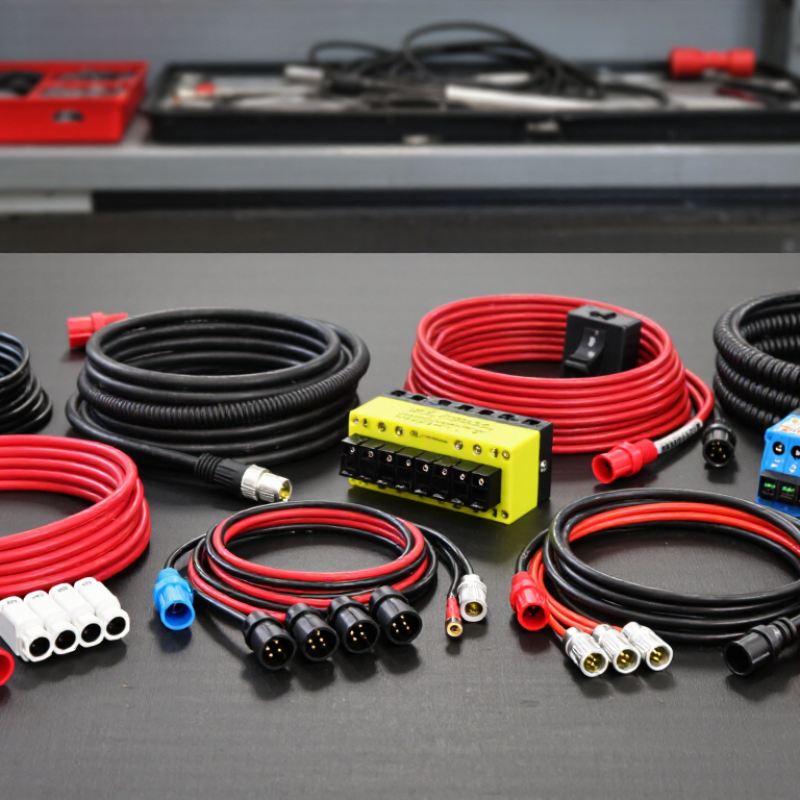
7 Best LED Harness Kits for Global Buyers?

What an LED Harness Kit Includes and How It Works

An LED harness kit connects auxiliary LED lamps to a vehicle’s electrical system. Many kits include insulated wires, a relay, an inline fuse, connectors, and a switch. Some also provide mounting ties or a pre-wired plug. Details vary. Check the parts list before buying, because a missing connector can turn a quick installation into a longer job.

The harness routes power from the battery through a fuse and relay to the lights. The switch sends a low-current signal to the relay, which controls the higher-current flow. This setup helps keep the lamp load away from a small dashboard switch. A fuse can interrupt the circuit if current rises too high, but it must match the harness and lamp specifications.

Before installation, compare the kit’s voltage and connector types with the vehicle and lights. Follow the supplied wiring diagram, secure wires away from hot or moving parts, and protect exposed connections from moisture. A tidy layout matters. Still, diagrams can leave out vehicle-specific details, so verify each connection rather than relying on wire color alone. Check that the lights work and that the wires stay cool during operation.

7 Best LED Harness Kits for Global Buyers? - What an LED Harness Kit Includes and How It Works

No. Harness Kit Type Best For System Voltage Recommended LED Load Typical Fuse Relay Rating Wire Gauge Usual Contents How It Works
1 Single-Light Basic Kit One work light, pod, or compact light bar 12 V DC Up to 120 W 10–15 A 30 A 14 AWG Inline fuse holder, relay, illuminated switch, battery leads, ground lead, terminals, cable ties The switch activates the relay coil. The relay then sends fused battery power to the LED light, reducing current through the switch.
2 Dual-Light Off-Road Kit Two driving, fog, or work lights 12 V DC Up to 240 W 20–25 A 30–40 A 12 AWG Main fuse, relay, dashboard switch, split output leads, weather-resistant connectors, mounting hardware One fused supply feeds a relay, while the relay distributes power to two parallel LED outputs for synchronized operation.
3 Three- or Four-Light Multi-Output Kit Multiple pods, roof lights, or utility lamps 12 V DC Up to 360 W 30–40 A 40–60 A 10–12 AWG High-current feed, relay block, individual branch fuses, multi-position switch panel, four output connectors Separate fused branches allow each light or light group to be switched independently and protected from overloads.
4 Dual-Voltage 12/24 V Kit Cars, trucks, agricultural, and industrial vehicles 12/24 V DC Up to 240 W at 12 V 10–20 A at 12 V 30–40 A 12–14 AWG Voltage-compatible relay, fuse holder, switch, battery leads, ground cable, sealed connectors, protective loom The relay and switch circuit is designed for either 12 V or 24 V systems; the fuse must be selected according to the actual operating voltage and load.
5 Weather-Resistant Marine Kit Boats, trailers, coastal vehicles, and wet environments 12 V DC Up to 180 W 15–20 A 30 A 12–14 AWG Tinned copper cable, sealed fuse holder, waterproof connectors, heat-shrink terminals, relay, switch, wire loom A sealed control circuit switches fused power while tinned conductors and waterproof connections help limit corrosion and moisture ingress.
6 Motorcycle and ATV Compact Kit Small vehicles with limited installation space 12 V DC Up to 100 W 7.5–10 A 20–30 A 16–18 AWG Mini relay, compact fuse holder, handlebar or rocker switch, short battery leads, terminals, flexible loom The low-current switch controls a compact relay, allowing the lighting circuit to connect directly to the battery through a fuse.
7 Heavy-Duty High-Output Kit Large light bars, emergency utility, and work vehicles 12/24 V DC Up to 480 W 40–50 A 60–80 A 8–10 AWG High-capacity relay or relay block, ANL or MIDI fuse, heavy battery cable, switch, ring terminals, protective conduit A high-current fused feed supplies the relay, which switches power to the LED load while the smaller control wire operates the relay coil.
Selection note: Actual fuse size, wire gauge, relay capacity, and connector rating should be matched to the LED load, cable length, vehicle voltage, ambient temperature, and local electrical requirements. The recommended fuse is normally selected above the operating current but below the safe current capacity of the harness.

How to Evaluate LED Harness Kits for Global Buyers

For global buyers, an LED harness kit is more than a bundle of wires. Check conductor size, insulation temperature rating, polarity labels, connector retention, and sealing. Ask for crimp inspection records and sample test results, not just a polished product photo. IPC/WHMA-A-620 offers workmanship criteria for cable and wire-harness assemblies. It can help buyers compare build quality, but it does not replace application-specific testing. Small details matter.

Match the kit to its operating environment. For outdoor equipment, inspect the specified ingress-protection rating and confirm that it applies to the assembled connection, not only the loose connector. For vehicle-mounted lighting, review vibration and thermal-cycle test conditions.

The International Energy Agency reported nearly 14 million electric-car sales worldwide in 2023, around 18% of car sales. That growth makes consistent harness documentation and repeatable supply worth checking. A forecast alone, however, cannot prove a supplier’s capacity.

The U.S. Department of Energy says LED lighting uses at least 75% less energy than incandescent lighting and can last up to 25 times longer. A weak crimp can still shorten a system’s service life. Request material traceability, batch identification, and clear installation instructions.

Not always. Even a well-documented kit may need a real-fit trial with the buyer’s enclosure, routing, and load. I would not skip that step.

Seven LED Harness Kit Options by Vehicle and Use Case

LED harness kits work best when matched to the vehicle, lamp load, and installation space. For compact cars, a slim relay harness fits neatly behind the grille and supports low-power auxiliary lights. It should include an inline fuse, sealed connectors, and enough cable length for a clean route. For pickup trucks, choose a heavy-duty harness with thicker copper wire and separate grounding points. Long cable runs can create voltage loss.

SUV owners often need a dual-output harness for front and rear lighting. A waterproof switch connection helps during rain, mud, and frequent washing. Motorcycle users need a compact harness with vibration-resistant connectors and a low-current relay. Space is limited there. For utility vans, a multi-circuit harness can control work lamps, rear loading lights, and warning illumination separately. Clear labels reduce mistakes during maintenance.

Off-road vehicles benefit from a protected harness with braided sleeving and flexible conduit. It must avoid hot exhaust parts and moving suspension components. For trailers or agricultural vehicles, use a longer harness with weatherproof junctions and strong strain relief. I prefer testing each circuit with a multimeter before final fastening. It takes time, but it reveals weak grounds early. My first installation was too tidy and too tight; the cable failed near a sharp bracket. A little slack matters. Buyers should also check connector standards, fuse ratings, switch capacity, and local vehicle-lighting requirements before ordering.

7 Best LED Harness Kits for Global Buyers?

Seven LED Harness Kit Options by Vehicle and Use Case

This comparison uses representative 12V harness configurations commonly selected for each vehicle and use case. Harness length, lamp count, and fuse rating should always be verified against the actual LED power draw, cable route, connector type, and local vehicle regulations.

Compatibility, Safety, and Installation Checks Before Buying

7 Best LED Harness Kits for Global Buyers?

Compatibility starts with the vehicle, not the package. Check whether the harness supports 12-volt or 24-volt systems. Confirm the connector shape, wire length, and switch type. Some newer vehicles use sensitive electronic control systems. A basic harness may trigger warnings or fail to activate correctly. Compare the kit’s relay rating with the LED lamp’s current draw. Do not estimate. Measure twice.

Safety depends on small details. Look for an inline fuse placed close to the battery connection. The fuse should protect the wire, not merely match the lamp. Choose insulation suited to engine heat, moisture, and vibration. Sealed connectors help when driving through rain or dusty roads. Keep wiring away from exhaust parts and sharp metal edges. Secure loose sections with heat-resistant ties. I once found a bright installation weakened by one poorly supported cable.

Installation instructions deserve careful attention. A clear wiring diagram reduces mistakes, especially when ground points are painted or corroded. Test the relay, switch, and fuse before final routing. Leave enough slack near moving panels, but avoid hanging loops. Buyers in different regions should check connector standards and vehicle configurations with a qualified technician. I have learned that “universal” often means “mostly compatible,” which is not precise enough. Photograph the original connections before removal. Read the included instructions slowly. Then test the lights in a safe, stationary setting.

Certifications, Shipping, and Supplier Support Across Global Markets

Choosing the seven best LED harness kits for global buyers requires more than comparing brightness and price. A reliable kit should include clear wiring diagrams, sealed connectors, fuse protection, and tested cable insulation. Compact utility kits suit small vehicles, while heavy-duty, waterproof, modular, extended-length, low-temperature, and multi-light kits serve different operating conditions. The best choice depends on installation space, voltage stability, and local climate.

Certification documents deserve close inspection. Ask for current test reports, conformity declarations, ingress protection ratings, and electromagnetic compatibility evidence. Some suppliers display logos without explaining the covered product or test scope. That is a warning sign. Requirements vary between markets, so buyers should verify documentation with qualified local professionals. RoHS information may matter for material control, while regional safety marks can affect customs clearance and resale.

Shipping support often reveals the supplier’s real experience. Request accurate carton dimensions, product weights, harmonized tariff information, and export packing photos. Moisture-resistant cartons and separated connectors reduce damage during long transit. Supplier support should include pre-shipment samples, installation guidance, spare terminals, and responsive after-sales service. A clear warranty process helps, but it is not enough by itself. I have seen excellent documents paired with slow replies, which creates avoidable delays. Response time, language support, and replacement procedures deserve the same attention as certification.

Smart Robotics brand movie

Watch video