China Best Audio Intercom System for Apartments?
Choosing the China Best Audio Intercom System For Apartments means looking beyond a crisp speaker grille or a low purchase price. Residents need clear speech through a closed lobby door, dependable indoor stations, and controls that feel simple during a rushed evening delivery. Building managers need equipment that suits the property’s wiring, visitor flow, and maintenance capacity. Small details matter: echo in a tiled entry, a faint call tone behind a bedroom door, or a handset that is hard to clean can shape daily use.
This guide examines Audio Intercom System For Apartments options through practical criteria: voice clarity, installation demands, expandability, support, and total ownership cost. It also considers where wired systems may suit stable renovations and where network-based models may offer more flexible configurations. As a transparent editorial note, the following line is an illustrative observation, not a verified quotation from a real expert: “A good intercom makes the visitor easy to hear and the next action easy to understand.” The comparison will help readers ask sharper questions of suppliers, rather than assume one model fits every building. That distinction is easy to miss. No product is ideal for every apartment; the right choice depends on the entrance, residents, and existing infrastructure.
What Is an Audio Intercom System for Apartments?
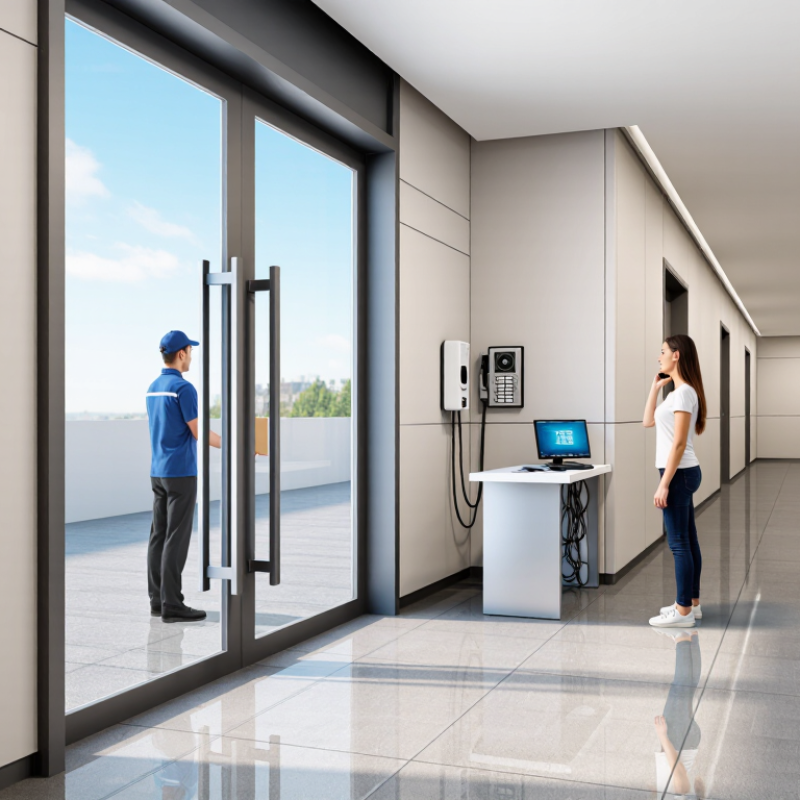
An audio intercom system for apartments lets residents and visitors communicate by voice before access is granted. A typical setup has an outdoor entrance panel, indoor handsets or wall units, plus wiring or a network connection. When a visitor selects an apartment, the matching unit receives a call. The resident can speak with the visitor and operate an electric door release, if one is installed. Some systems also connect multiple entrances or a concierge desk. No camera is required.
In daily use, clear sound matters more than a long feature list. Residents should hear speech over hallway noise, and visitors need a usable microphone at the panel. For older buildings, installers should check existing cables, power supplies, door hardware, and handset compatibility before suggesting replacements. This can prevent surprises. Still, sound quality may vary between units, especially with aging wiring or a panel beside a busy street. Testing calls on several floors helps, though it may not reveal every fault. Simple systems need maintenance too.
Tips: Test calls from the entrance and an upper floor. Check volume controls, what happens during a power outage, and who handles repairs. Keep clear instructions near each handset.
How Do Apartment Audio Intercom Systems Work?
An apartment audio intercom connects an entrance panel to handsets or speakers inside individual units. When a visitor presses a unit number, the system routes the call to that apartment. The resident hears a tone, lifts the handset or answers through a speaker, and speaks through a microphone. The call rings. No video is involved.
In a wired system, voice signals travel through building cables to the relevant unit. Network-based systems carry audio over the building’s data network instead. Some setups also connect to an electric door release, allowing a resident to unlock the entrance after speaking with the visitor. That feature depends on the building’s configuration; an intercom alone does not guarantee secure access.
Clear sound depends on more than the handset. A microphone facing a busy street may pick up traffic, while loose wiring or poor speaker placement can make voices hard to understand. During installation, technicians should check call volume, echo, and coverage on different floors. It is easy to overlook sound in a quiet hallway. Real use may reveal problems that a quick test misses. Audio-only systems also require residents to identify visitors by voice, which can be difficult when someone is unfamiliar or the entrance is noisy.
Which Features Matter When Choosing a System in China?
In China, apartment intercoms must work across busy entrances, concrete walls, and frequent visitor traffic. Check that speech stays clear when a delivery worker calls from a noisy lobby. Test both directions, not just the indoor handset. Clear audio matters.
For older buildings, ask whether new wiring is needed or existing cables can be reused. Confirm the system supports the building’s preferred language and has simple controls for older residents. A large, readable call button can make daily use easier. Small details count.
Also check backup power, repair response times, and spare-part availability. Network-linked functions may be useful, but they should not make basic calling unreliable. Ask how access records are stored and who can review them. Privacy deserves attention.
A feature list can look reassuring, yet say little about sound quality in your own hallway. Test a sample unit on site, if possible. The result may still be imperfect; note weak audio or confusing controls before installation. A simpler system can be the better choice when it is easier to maintain.
How Do Wired and Wireless Intercom Systems Compare?
Wired and wireless audio intercoms solve different apartment problems. Wired units use dedicated cable, so concrete walls and crowded Wi-Fi networks are less likely to disrupt speech. A fully wired setup also avoids relying on local wireless coverage at each station. The drawback appears during retrofits: running cable through finished hallways can mean drilling, dust, and extra labor. Wireless systems are quicker to install and easier to expand across existing floors. But dead zones, neighboring routers, and weak power outlets can interrupt a call. Annoying, but real.
For scale, the Wi-Fi Alliance’s Wi-Fi 6 technical overview lists a theoretical aggregate peak of 9.6 Gbps. That is a standard-level ceiling, not a guarantee inside a crowded apartment; audio needs far less capacity than video. Placement and interference matter more than headline speed.
In a small building with stable coverage, wireless may be the sensible retrofit. In a long corridor with reinforced walls, wired links are often the safer bet. I would test the farthest doorway before choosing; floor plans can hide awkward corners. Also check backup power and whether residents can hear speech clearly with the door closed. A little field testing beats assumptions.
What Should Installers Consider During Setup and Maintenance?
China Best Audio Intercom System for Apartments?
What Should Installers Consider During Setup and Maintenance?
Apartment intercom performance depends on careful planning, not just the handset or entry panel. Installers should check the building’s wiring routes, power supply, door hardware, and expected call volume before mounting equipment. In older blocks, cable paths may differ from the drawings. Verify them on site. Keep connections protected from moisture and label each cable clearly, especially in shared risers.
Sound quality needs testing at different times and locations. Ask a resident to speak from inside a closed apartment door while another person checks the entrance panel. Listen for echo, buzzing, and speech that becomes unclear when nearby doors close. Test every floor. Adjust speaker levels without making the entrance panel painfully loud. A quick test in an empty corridor may miss problems that appear during busy evening hours.
Maintenance should include checking call buttons, microphones, speakers, door release operation, and loose terminals. Record faults and repairs so recurring issues are easier to trace. Resident turnover also matters: update unit labels and confirm that each apartment can receive calls. No checklist catches every building quirk. Installers should leave clear operating instructions, but these are often too brief; a simple fault-reporting contact and a realistic inspection schedule can prevent small problems from lingering.
China Best Audio Intercom System for Apartments? What Should Installers Check?
PoE Standards: Maximum Power Available at the Network Switch
The chart shows standardized maximum power supplied at the network switch or injector; the power reaching an intercom can be lower because of cable losses. During setup, check each device’s power requirements, the switch’s total PoE budget, and the cable route. During maintenance, inspect connections and confirm that all devices remain powered and operational.