What Is the Best Arc MMA Welder for Beginners?
Choosing the best Arc Mma Welder for beginners is less about buying the most powerful machine and more about finding one that makes practice manageable. A steady current, simple controls, and reliable electrode starting can matter more than a crowded feature list. On a garage bench, that may mean choosing a compact inverter with a clear amperage dial and enough output for common repair and learning tasks. Keep it simple.
Welding educator Jody Collier is known for practical teaching, but the line below is an editorial paraphrase, not a direct quotation: “Build a steady arc before chasing extra features.” That is a useful lens for comparing beginner machines. Look at the welder’s usable amperage range, duty cycle, electrode compatibility, power requirements, and the clarity of its manual. A low price can be tempting. Yet poor instructions or awkward controls may make early practice more frustrating than it needs to be.
This guide will compare beginner-friendly Arc Mma Welder options by usability, performance, and value, while noting where each model has limits. Expect practical details: how smoothly an electrode starts, how easy the controls are to read, and whether the machine suits short practice sessions. No welder makes technique automatic. Even a capable unit can produce a rough bead when the angle or travel speed wanders. That part deserves honest attention. The right choice should support learning, not promise instant results.
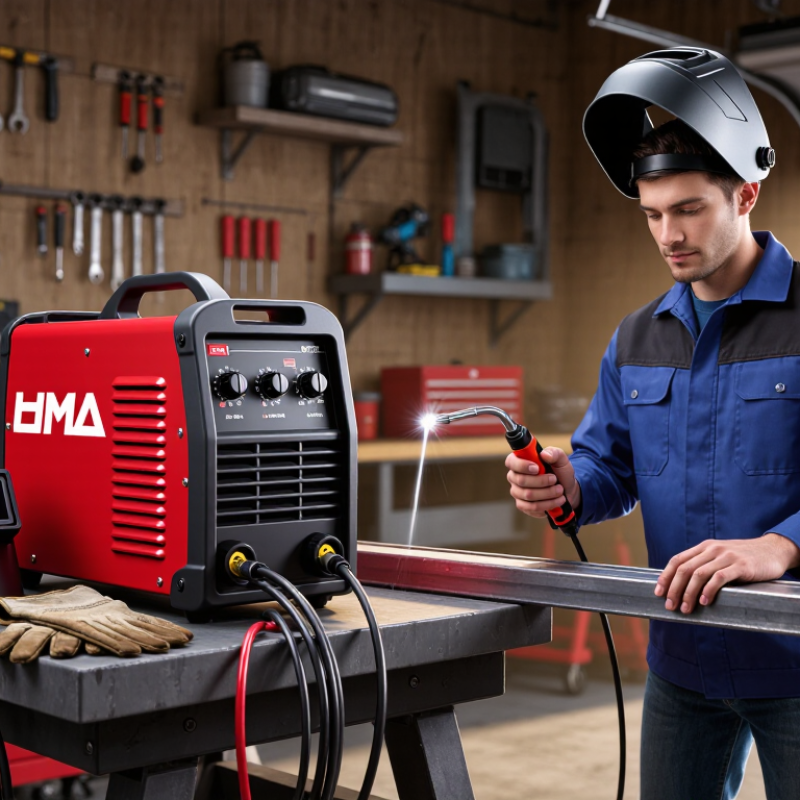
Table of Contents [Hide]
Define MMA/SMAW Welding and Its Role in Manual Arc Work
MMA, also called SMAW or stick welding, joins metal with an electric arc between a flux-coated electrode and the workpiece. The electrode melts as it feeds into the joint, while its coating creates shielding gas and a slag layer. This makes the process useful for manual work outdoors, repairs, and sites where bulky gas equipment is inconvenient. It also demands steady hand control: arc length, travel speed, and electrode angle all affect bead shape.
The American Welding Society’s AWS A5.1/A5.1M specification classifies carbon-steel stick electrodes. For example, an E6013 electrode has a minimum tensile strength classification of 60,000 psi, according to the standard’s designation system. That figure describes the electrode class, not a guaranteed strength for every finished weld. Beginners often find E6013 manageable on clean, thin-to-medium steel, but fit-up and surface preparation still matter. Slag can hide defects. Check the bead after chipping it away.
Tips: Practice short beads on scrap steel. Keep the electrode angle consistent, and listen for a steady crackle. Start with the machine settings recommended for the electrode diameter, then adjust carefully; the “right” setting can vary with joint position and metal thickness. Use a welding helmet, gloves, and protective clothing, and follow OSHA’s welding and cutting safety guidance in 29 CFR 1910.252.
Customers




Smart Robotics brand movie
Watch video