What are the Benefits of Using Hydrogen Gas Furnaces?
As industries strive for cleaner and more efficient energy sources, the Hydrogen Gas Furnace has emerged as a promising solution. According to a report by the International Energy Agency, hydrogen could potentially power 10% of the world's heating needs by 2030. This shift aligns with global efforts to reduce carbon emissions and transition towards sustainable energy.
The Hydrogen Gas Furnace offers various advantages, including lower greenhouse gas emissions. Unlike traditional gas furnaces, they emit only water vapor, significantly lowering the carbon footprint. Furthermore, these furnaces can utilize existing natural gas infrastructure, which makes the transition easier for many businesses. Still, the technology is in its infancy, and widespread implementation presents challenges that require careful consideration.
Despite the potential benefits, the adoption of Hydrogen Gas Furnaces faces hurdles. The current production of hydrogen is reliant on fossil fuels, which may undermine the environmental benefits. Additionally, the cost of hydrogen generation and storage technology remains a concern. Continuous research and development will be crucial to unlocking the full potential of this innovative heating solution.
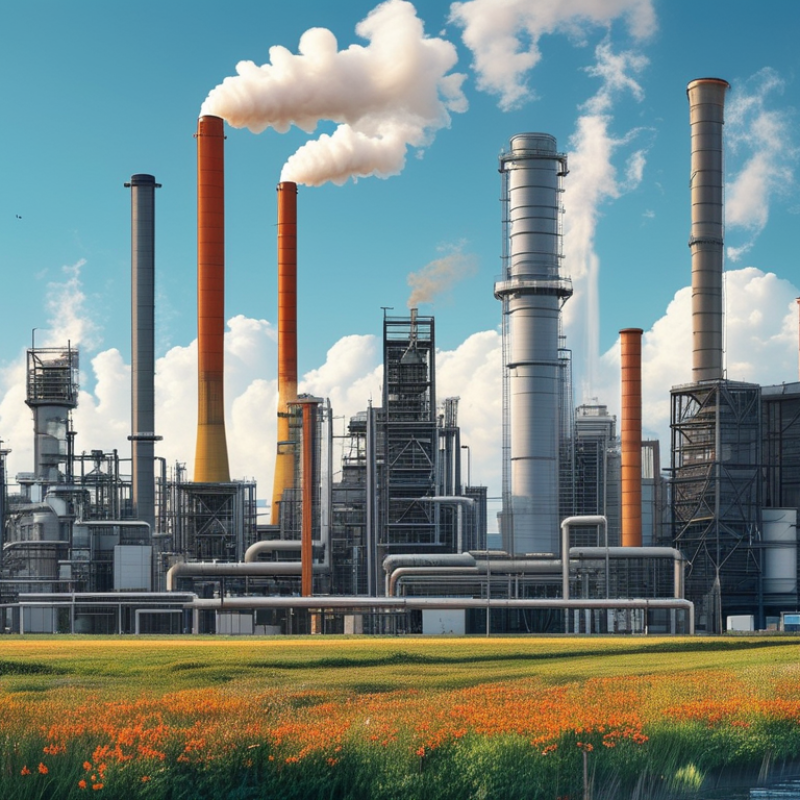
Benefits of Hydrogen Gas Furnaces for Industrial Applications
Hydrogen gas furnaces are becoming increasingly popular for industrial applications. They offer significant benefits, particularly in the realm of environmental sustainability. Unlike traditional fossil fuels, hydrogen produces only water vapor when burned. This characteristic greatly reduces greenhouse gas emissions. Factories can lower their carbon footprint while maintaining high operational efficiency.
In addition to environmental benefits, hydrogen furnaces can enhance operational flexibility. They can easily adjust to varying heating requirements. This adaptability allows industries to optimize energy usage. However, the infrastructure for hydrogen supply is still developing. Some facilities may face challenges in transitioning from conventional fuels. Workers may need training to handle new technologies safely. These aspects require careful planning.
The efficiency of hydrogen furnaces is another key advantage. They can reach high temperatures quickly, improving productivity. However, the initial costs of switching can be a barrier. Industries must weigh the long-term savings against these upfront expenses. Observing the experiences of early adopters can provide valuable insights for successful implementation.
What are the Benefits of Using Hydrogen Gas Furnaces? - Benefits of Hydrogen Gas Furnaces for Industrial Applications
| Benefit | Description | Impact |
| Reduced Emissions | Hydrogen doesn't produce CO2 when burned, leading to lower greenhouse gas emissions. | Helps companies meet environmental regulations and sustainability goals. |
| High Efficiency | Hydrogen combustion can achieve higher efficiencies compared to fossil fuels. | Increases energy output and reduces operational costs. |
| Versatility | Hydrogen can be utilized in various industrial processes and applications. | Allows for flexibility in production methods and applications. |
| Safety Improvements | Modern hydrogen systems are designed with safety features to mitigate risks. | Enhances workplace safety and reduces accident risks. |
| Regulatory Compliance | Using hydrogen can help companies comply with stricter emissions regulations. | Prepares businesses for future regulatory landscapes. |
Environmental Advantages of Hydrogen Gas as a Fuel Source
Hydrogen gas is becoming a prominent alternative in heating solutions. It has significant environmental advantages compared to conventional fossil fuels. When burned, hydrogen produces only water vapor and heat, with no harmful emissions. This simple reaction drastically reduces greenhouse gases. Lower emissions can help combat climate change, a pressing issue today.
Using hydrogen can also lead to a reduction in air pollution. Traditional heating methods release sulfur dioxide and nitrogen oxides, causing respiratory issues. In contrast, hydrogen is a clean source. The shift to hydrogen could dramatically improve air quality in urban areas. Cleaner air benefits public health and reduces healthcare costs.
However, the transition poses challenges. The infrastructure for hydrogen distribution is still developing. Some people are hesitant due to the flammability of hydrogen gas. Education and investment are essential for safe implementation. We must assess the long-term impacts of production methods for hydrogen as well. It's vital to ensure sustainability as we embrace this promising fuel source.
Cost Efficiency and Economic Impacts of Hydrogen Gas Furnaces
Hydrogen gas furnaces present an interesting economic opportunity. They often lower operation costs compared to traditional fuel sources. As hydrogen becomes more widely available, the potential for cost savings expands. Many industries are exploring this avenue to enhance profit margins. However, the initial investment can be substantial. Companies must weigh these costs against long-term benefits.
The shift to hydrogen also aligns with environmental regulations. Reducing carbon emissions attracts incentives from governments. Businesses that adopt green technologies stand to gain from these programs. Yet, the infrastructure for hydrogen distribution is not fully developed. This could limit immediate accessibility, leading to a slower adoption rate.
Another factor is the fluctuating price of hydrogen. Market dynamics may affect overall savings. Companies need to continuously monitor hydrogen trends. This uncertainty can pose a challenge for businesses considering conversion. The benefits of hydrogen gas furnaces are clear, but they come with potential risks that require careful evaluation.
Safety Considerations in the Use of Hydrogen Gas Furnaces
Hydrogen gas furnaces are gaining popularity for their efficiency and lower emissions. However, safety considerations must be prioritized. Hydrogen is flammable, with a lower ignition energy compared to natural gas. Studies indicate that hydrogen flames are less visible than those of traditional fuels, making detection and prevention critical. A report from the International Association for Hydrogen Energy emphasizes the importance of proper detection systems to prevent accidents.
Implementing adequate safety measures is vital. Systems must include hydrogen leak detectors and robust ventilation. Research shows that continuous monitoring can reduce the risk of dangerous accumulations of gas. Interestingly, while hydrogen is a clean energy source, its storage and handling present challenges. Proper training for personnel handling these systems is essential to ensure safety protocols are followed.
Regular maintenance routines are also necessary. Inspections can reveal vulnerabilities in the equipment that require immediate attention. As highlighted in a safety guidelines document by the U.S. Department of Energy, neglecting maintenance can lead to increased risks. The balance between safety and efficiency remains a topic for ongoing discussion in the field of hydrogen technology. Organizations must continuously evaluate their practices to achieve optimal safety levels.
Future Trends in Hydrogen Gas Furnace Technology and Adoption
The future of hydrogen gas furnace technology looks promising, driven by environmental concerns and energy efficiency. As industries seek to reduce carbon footprints, hydrogen emerges as a clean alternative. Research from the International Energy Agency suggests that hydrogen utilization can reduce emissions by up to 30% in various sectors. While the initial costs can be high, advancements in technology are expected to lower these barriers.
Current trends indicate a gradual shift towards more widespread adoption of hydrogen gas furnaces. According to a report from McKinsey, the market for hydrogen technology could reach $500 billion by 2030. This growth hinges on regulatory frameworks and infrastructure development. However, challenges remain. The production of green hydrogen, primarily derived from renewable sources, must scale significantly to meet demand.
Moreover, implementation can be uneven across regions. Some areas may lack the necessary infrastructure, slowing progress. Despite these obstacles, collaborations between governments and industries are on the rise. Investment in research and development is vital. It could pave the way for more efficient hydrogen production techniques and broader furnace applications. Addressing these issues will be crucial for realizing the full potential of hydrogen gas technologies.