Top 10 Benefits of Robotic Automation for Modern Businesses
As businesses navigate the complexities of the modern marketplace, the integration of robotic automation has emerged as a game-changing strategy. According to the International Federation of Robotics, the global robot density in manufacturing reached approximately 113 robots per 10,000 employees in 2021, highlighting the rapid adoption of this technology across various industries. By 2025, it is projected that investments in robotic automation could exceed $200 billion, as companies strive to enhance productivity, reduce operational costs, and improve overall efficiency.

The benefits of robotic automation extend beyond mere cost savings; they play a critical role in transforming workflows and enhancing the quality of products and services. A report by McKinsey & Company indicates that automation could boost global productivity by 0.8 to 1.4 percent annually. This newfound efficiency not only helps businesses streamline processes but also enables them to allocate resources more effectively, fostering innovation and growth. In a world where speed and precision are paramount, robotic automation offers a clear path forward for modern organizations aiming to maintain a competitive edge.
Enhanced Efficiency and Productivity through Robotic Automation
Robotic automation has emerged as a transformative force in modern businesses,
driving enhanced efficiency and productivity across various sectors. By automating repetitive and time-consuming tasks,
organizations can significantly reduce operational costs while reallocating human resources to more strategic initiatives.
This shift not only streamlines workflows but also minimizes human error, ensuring higher quality outputs. As a result,
businesses can respond more swiftly to market demands and customer inquiries, fostering improved service delivery and satisfaction.
Moreover, the integration of robotic automation allows companies to scale their operations effortlessly.
As demand fluctuates, businesses can quickly adjust their automated processes without the need for extensive retraining
or resource allocation. This adaptability ensures that operations remain agile in the face of change, thus maintaining a competitive edge.
Additionally, robotic systems collect and analyze data in real time, providing valuable insights that inform decision-making and innovation.
Overall, the implementation of robotic automation paves the way for a more productive and efficient business environment, setting the stage for sustainable growth and success.
Cost Reduction and Financial Savings with Automation Technologies
The integration of automation technologies in modern businesses is not just a trend but a necessity for cost reduction and financial savings. Recent reports indicate that companies employing Robotic Process Automation (RPA) can reduce operational costs by up to 30%, while also improving productivity significantly. In the financial sector, automation plays a crucial role in streamlining processes, enhancing compliance, and minimizing manual errors. This has become increasingly vital as organizations seek to adapt to the digital era, where efficiency and accuracy are paramount.
Moreover, the economic potential of generative AI is forecasted to add trillions of dollars in value to the global economy, influencing multiple sectors beyond finance. By leveraging AI and automation, banks and financial institutions can unlock substantial savings and enhance customer engagement. In fact, according to a recent study, effective implementation of automation technologies can lead to an increase in customer satisfaction ratings by up to 80%. As companies strive to stay competitive, embracing these innovative technologies is essential for driving cost transformations and fostering sustainable growth in a rapidly evolving market.
Top 10 Benefits of Robotic Automation for Modern Businesses
The chart below illustrates the financial savings and cost reduction benefits that businesses experience through robotic process automation (RPA) technologies.
Improved Quality Control and Consistency in Business Processes
Robotic automation is transforming modern businesses by significantly improving quality control and consistency in business processes. As companies strive for excellence, employing automation technology can streamline operations, making them more efficient and reducing human errors. Advanced robotic systems facilitate rigorous quality checks, ensuring products meet predefined standards consistently and accurately. With automation, businesses can achieve enhanced data integrity, which is paramount for effective decision-making and maintaining customer trust.
To leverage the benefits of robotic automation, consider these tips:
- Firstly, implement a robust data quality management strategy. High-quality data enables better insights into processes and helps identify areas needing improvement.
- Secondly, adopt continuous improvement methods such as Lean and Six Sigma. These methodologies work hand-in-hand with robotic automation to create a culture of ongoing refinement, resulting in sustained operational excellence.
- Lastly, ensure ongoing training for staff to manage and optimize automated processes, fostering an environment where technology and human expertise coexist harmoniously.
Scalability and Flexibility of Operations with Automated Systems
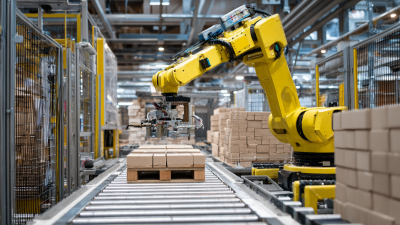
The scalability and flexibility offered by robotic automation are transforming modern business operations, enabling organizations to respond swiftly to changing market demands. As the packaging automation market continues to grow, the integration of automated systems allows businesses to increase efficiency and precision while reducing labor costs. This shift not only streamlines production processes but also enhances overall operational agility, allowing businesses to scale their operations based on fluctuating consumer needs.
Moreover, the advent of software-defined operations platforms signals a new era in industrial automation, promoting seamless integration across various processes. Companies are increasingly adopting scalable mobile robotics, such as autonomous mobile robots (AMRs), which improve warehouse automation by enhancing productivity and optimizing resource allocation. This trend emphasizes the necessity for businesses, especially small-to-mid-sized manufacturers, to overcome budget and workforce challenges by leveraging collaborative robots and Robotics-as-a-Service (RaaS). Such innovations not only facilitate immediate operational efficiency but also prepare businesses for future growth and success in an ever-evolving market landscape.
Top 10 Benefits of Robotic Automation for Modern Businesses
| Benefit |
Description |
Impact on Operations |
| Increased Efficiency |
Automated systems perform tasks faster and more accurately than humans. |
Shorter turnaround times, enhanced productivity. |
| Cost Reduction |
Reduction in labor costs and lower operational expenses over time. |
Increased profit margins. |
| Enhanced Scalability |
Easily scale operations up or down based on demand. |
Greater flexibility to adapt to market changes. |
| Improved Quality Control |
Robots perform consistent quality checks, reducing errors. |
Higher customer satisfaction through better quality products. |
| 24/7 Operation |
Automated systems can operate continuously without breaks. |
Maximized production time and output. |
| Enhanced Safety |
Robots handle dangerous tasks, reducing workplace injuries. |
Safer work environment for employees. |
| Data Collection and Analytics |
Automated systems can collect and analyze data in real time. |
Informed decision-making and process improvements. |
| Environmental Sustainability |
Robotics can optimize energy use and reduce waste. |
Lower environmental impact of operations. |
| Customization and Personalization |
Automated systems enable tailored solutions based on customer needs. |
Enhanced customer experience and loyalty. |
| Faster Time-to-Market |
Quicker production processes lead to faster product launches. |
Competitive advantage in the market. |
Increased Employee Satisfaction and Focus on Strategic Tasks

Robotic automation is transforming the workplace by enhancing employee satisfaction and enabling a greater focus on strategic tasks. According to a report by McKinsey, around 70% of employees believe that adopting automation technologies allows them to redirect their efforts towards higher-value work, leading to a more engaged workforce.
When monotonous tasks, such as data entry and inventory management, are automated, employees have the opportunity to engage in more meaningful projects that utilize their skills and creativity.
Furthermore, a study by Deloitte indicates that companies implementing automation have seen a 20% increase in overall employee morale. By taking over repetitive tasks, robots and software automate not just efficiency, but also cultivate an environment where employees feel valued and motivated. This shift not only improves job satisfaction but also contributes to lower turnover rates, with organizations reporting as much as a 30% reduction in employee attrition after adopting automation solutions. As businesses increasingly recognize the importance of employee well-being, integrating robotic automation has become a key strategy for driving both productivity and job satisfaction in the modern workplace.