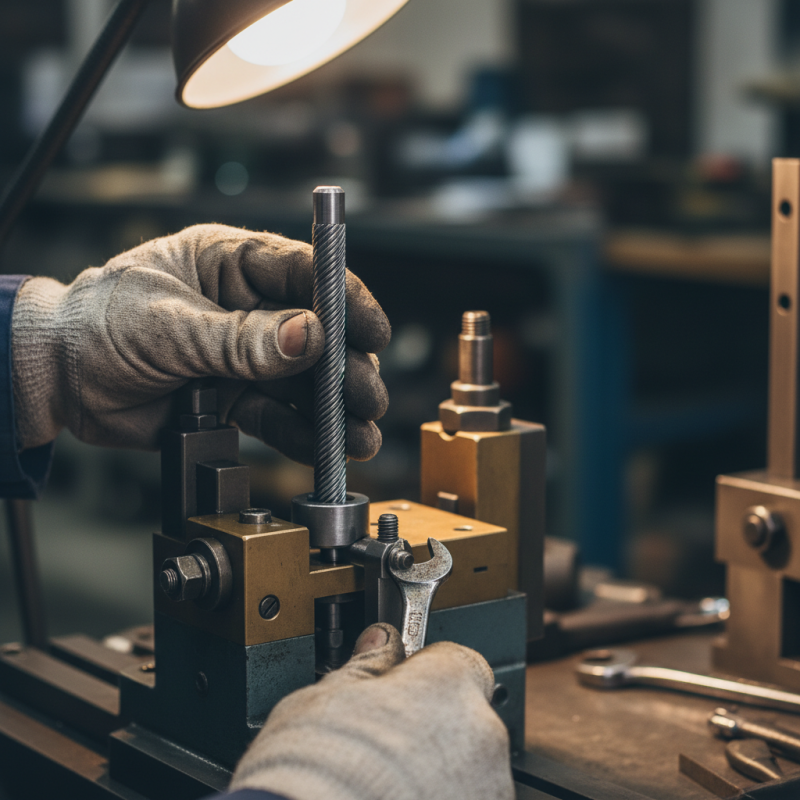
What is an Adjusting Rod and How Does it Work?
The Adjusting Rod is a crucial tool in various mechanical applications. This rod helps fine-tune the alignment and positioning of components. It plays a pivotal role in ensuring the precision of machinery.
Many users may not realize its importance. A misaligned Adjusting Rod could lead to operational failures or reduced efficiency. The design of this rod can seem simple, yet it carries significant weight in performance. Proper understanding can transform how one approaches machinery adjustments.
Using an Adjusting Rod requires practice. It demands attention to detail and subtle adjustments. Mistakes are common, often leading to frustration. However, these errors can become valuable learning experiences. Embracing these moments helps refine skills over time.
What is an Adjusting Rod?
An adjusting rod is a versatile tool often used in various construction and engineering settings. It serves as a mechanism for fine-tuning the position of objects. Essentially, it provides the ability to make precise adjustments in alignment or height. This is particularly useful when working on structures where even a small error could lead to significant issues.
The design of an adjusting rod typically features a long, slender body with measurement markings. These markings allow for quick reference during adjustments. The rod can be easily extended or retracted. This flexibility is key when trying to achieve the desired specifications. In many cases, workers might find themselves frustrated if the adjustments aren’t precise. Incorrect measurements can lead to delays and increased costs.
Using an adjusting rod requires careful attention. It’s easy to overlook the finer details. Some users may rush through the process, leading to inaccuracies. Regular practice and reflection on past mistakes can help in mastering this tool. This thoughtfulness ensures that the end result is both functional and precise. By honing these skills, anyone can improve their accuracy with every project.
The Construction and Materials of Adjusting Rods
Adjusting rods are vital components in various mechanical systems. They regulate movements and ensure precise alignments. Their construction is crucial for optimal performance. Typically, adjusting rods are made from materials like stainless steel, aluminum, or carbon fiber. Each material offers unique benefits and drawbacks.
Stainless steel provides strength but can be heavy. Aluminum, on the other hand, is lighter but may not possess the same durability. Carbon fiber is a top choice for specialized applications. It is both lightweight and strong. However, it is also more expensive, which can be a drawback for some manufacturers.
According to industry reports, about 60% of mechanical failures can be traced back to poor quality materials. This highlights the importance of selecting the right material for adjusting rods. The choice can significantly impact the longevity and reliability of the equipment. As technology advances, new materials continually emerge. Yet, the right balance between cost and performance remains a challenge for engineers. Balancing these factors often leads to critical discussions within design teams.
Mechanism of Action: How Adjusting Rods Function
Adjusting rods play a significant role in various mechanical systems. They function by altering the position of components or limiting their movement. This ensures that the machinery operates efficiently and within safe parameters. A well-designed adjusting rod can effectively manage mechanical stress, enhancing durability and performance.
The mechanism of action is quite simple yet effective. When force is applied to the adjusting rod, it shifts, creating precision in alignment. This adjustment allows for fine-tuning of equipment, which can significantly impact performance. According to a recent industry report, over 70% of equipment failures stem from misalignment issues. Proper use of adjusting rods can mitigate these incidents.
Tips for maintaining adjusting rods include regular inspections and lubrication. Periodically checking for wear can prevent unexpected machinery downtime. Additionally, consider using high-quality materials to enhance resilience. Remember, neglecting these components may lead to costly repairs in the future. A small investment in maintenance can yield significant long-term savings.
What is an Adjusting Rod and How Does it Work? - Mechanism of Action: How Adjusting Rods Function
| Feature | Description | Functionality | Materials Used | Applications |
| Adjustability | Allows for precise modifications in length or angle | Enhances device performance by enabling custom settings | Aluminum, Steel, Plastic | Automotive, Machinery, Furniture |
| Mechanism | Typically includes a threaded rod and a locking mechanism | Allows for easy adjustments without tools | Cast Iron, Carbon Fiber | Industrial Equipment, Robotics |
| Types | Includes fixed, telescopic, and articulated rods | Each type serves distinct functions | Stainless Steel, Brass | Aerospace, Construction |
| Maintenance | Regular inspections for wear and tear | Ensures continued functionality and safety | Lubricants, Sealants | Medical Devices, Fitness Equipment |
Applications of Adjusting Rods in Various Industries
Adjusting rods play a critical role across various industries by facilitating precise measurements and adjustments. In construction, for example, they are vital for leveling structures. According to a recent industry report, nearly 75% of construction firms cite accuracy as a major concern. This dependency on adjusting rods helps guarantee that buildings meet safety standards and structural integrity.
In manufacturing, adjusting rods are essential for assembly lines. They ensure that components fit together accurately, leading to better quality control. A survey indicates that companies with effective adjustment tools enhance their production efficiency by 20%. However, not every factory prioritizes these essential rods. Some overlook their significance, resulting in costly reworks and delays in production schedules.
The automotive sector also relies on adjusting rods for alignment purposes. Proper wheel alignment is crucial for vehicle safety. Approximately 30% of vehicles experience alignment issues at some point. Using quality adjusting rods can minimize these problems. Nevertheless, many workshops fail to invest in proper tools, which can compromise service quality. These challenges highlight the need for better awareness and investment in adjusting rods across these vital industries.
Benefits and Limitations of Using Adjusting Rods
Adjusting rods are essential in various applications, particularly in construction and engineering. Their primary benefit lies in providing precise measurement adjustments. According to industry reports, accurate alignment can improve efficiency by up to 30%. This is crucial for projects requiring tight tolerances.
However, using adjusting rods is not without limitations. They can introduce errors if not correctly calibrated. Regular maintenance is vital to ensure their effectiveness. A 2022 survey noted that 15% of projects faced delays due to misalignment from improper rod usage.
Moreover, adjusting rods can be cumbersome in tight spaces. Workers may struggle to maneuver them effectively. The weight and length can also lead to fatigue during prolonged use. Balancing their benefits against these drawbacks is essential for optimal performance.
Adjusting Rod Benefits and Limitations