Distributed power is moving closer to the load, changing how buyers evaluate rotating equipment. The International Energy Agency’s Renewables 2024 report forecasts nearly 5,500 GW of new renewable capacity between 2024 and 2030. Solar and wind will drive much of this expansion. Smaller plants will therefore face variable loads, frequent starts, and tighter maintenance limits.
A reliable Distributed Power Generation Gearbox must match the prime mover, generator speed, torque curve, and operating environment. A gearbox that performs well in a utility-scale plant may fail early in a dusty biomass facility or remote microgrid. Buyers should examine rated torque, service factor, thermal capacity, efficiency, sealing, lubrication design, and spare-parts availability. Inspection records matter too. So does the supplier’s field experience.
This guide reviews seven gearbox options for distributed power applications, including helical, bevel-helical, planetary, and custom hybrid designs. The selection reflects practical engineering needs rather than marketing claims. The U.S. Department of Energy continues to identify distributed energy resources as important for flexibility, resilience, and local generation. IRENA’s Renewable Power Generation Costs report also shows why lifecycle cost deserves more attention than purchase price alone. Cheap equipment can become expensive after repeated oil changes or difficult alignment work.
That sounds simple. It is not.
No single gearbox suits every project. Ambient temperature, grid conditions, load cycling, installation access, and operator skill can change the decision. The rankings should therefore support technical comparison, not replace a site-specific assessment. Some specifications remain difficult to compare consistently across manufacturers. That limitation deserves honest attention. Contacts, test standards, warranty terms, and documented service history should guide the final purchase.
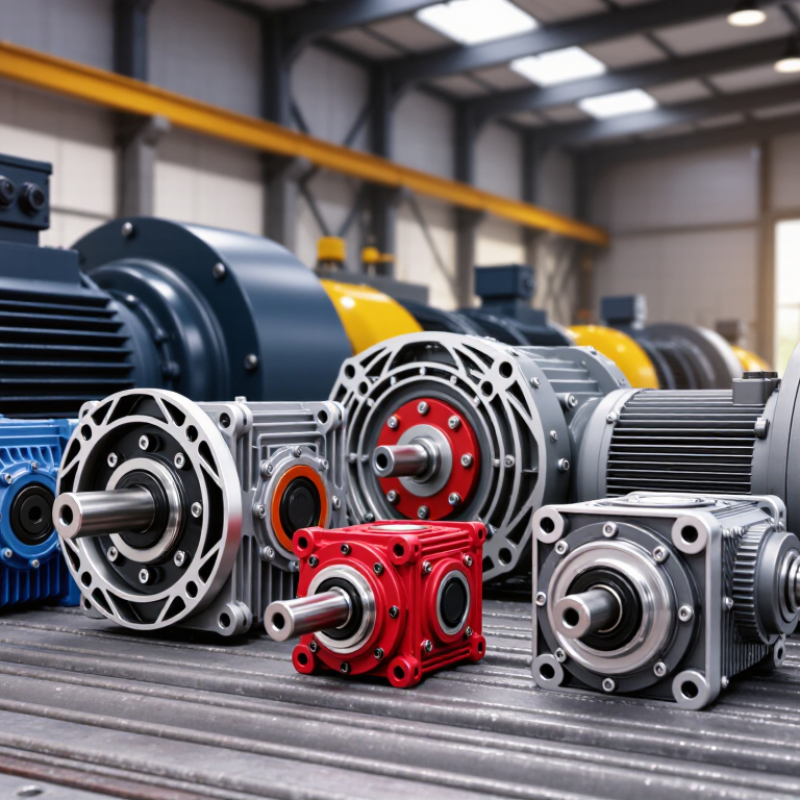
Distributed power generation gearboxes connect prime movers with electrical generators. They adjust rotational speed and multiply torque for stable energy production. This matters when engines, turbines, or renewable drives operate outside the generator’s ideal speed range.
In practical installations, the gearbox faces frequent load changes. A sudden demand increase can raise torque within seconds. Proper gear geometry, shaft alignment, and bearing selection help manage that stress. Lubrication also matters. Contaminated oil can create heat, pitting, and unexpected shutdowns. Small details matter.
Gearboxes also influence power quality and maintenance costs. Excessive backlash may cause vibration, while poor thermal design can shorten seal life. A reliable unit should include accessible inspection points, temperature monitoring, and a clearly defined service schedule. Engineers should check rated torque, speed ratio, overload capacity, noise, and efficiency before purchasing. Field conditions deserve equal attention. Dust, humidity, salt, and limited ventilation can change the specification.
I have found that efficiency figures alone can mislead buyers. A compact gearbox may save space but complicate maintenance. A heavier design may offer better durability, yet increase installation demands. That trade-off deserves honest review. Some projects also underestimate spare parts and technician training. The gearbox is not merely a transmission component; it shapes how consistently the entire distributed power system responds.
Distributed generation is becoming more demanding. IRENA reported 473 GW of renewable capacity additions in 2023, representing 86% of new global power capacity. The IEA expects renewable capacity to grow by more than 5,500 GW from 2024 to 2030. Many installations will operate near homes, factories, and remote sites. Buyers should evaluate more than rated output. Start with the actual load profile, including start-stop cycles, torque spikes, speed changes, and seasonal operation.
A gearbox for distributed power needs a suitable service factor, verified thermal capacity, and stable lubrication performance. Compare continuous torque with peak torque, not only the nameplate rating. Check gear ratings against ISO 6336 or relevant AGMA methods. Measure efficiency across the expected speed range. A small efficiency loss becomes expensive after thousands of operating hours. Also review shaft alignment limits, bearing life, enclosure protection, noise, and vibration requirements. Keep maintenance practical.
Ask for test evidence, not polished claims. Request oil-temperature data after sustained peak operation and vibration baselines from comparable duty cycles. Inspect whether filters, seals, and inspection ports are accessible in the field. The U.S. Department of Energy identifies operation and maintenance as major contributors to distributed energy reliability, although exact costs vary by site. That uncertainty matters. A gearbox that looks excellent in a laboratory may struggle with dust, weak cooling, or frequent cycling. I would leave room for this uncomfortable question: does the selected design fit the technician’s reality?
7 Best Distributed Power Generation Gearboxes for Buyers
Seven Leading Gearbox Types for Distributed Power Generation
Distributed power projects need compact, serviceable, and efficient gearboxes. IRENA reported 473 GW of renewable capacity additions in 2023. This expansion increases demand for dependable mechanical transmission equipment. Planetary gearboxes suit high torque in small spaces. Helical gearboxes offer quiet operation and strong continuous-load performance. Bevel-helical units change shaft direction efficiently. Parallel-shaft gearboxes support high torque with flexible installation. Spur gearboxes remain simple and economical for lower-speed systems. Worm gearboxes provide high reduction ratios, but their heat loss can be significant. Cycloidal gearboxes tolerate shock loads and frequent starts.
Field experience shows that the “best” gearbox depends on load behavior, not catalogue size. A small biogas generator may favor helical gearing. A rooftop wind unit may require planetary or cycloidal technology. Hydropower equipment often needs bevel-helical arrangements. The IEA Renewables 2024 report expects global renewable capacity to expand by nearly 5,500 GW by 2030. That forecast suggests more varied operating conditions. It also exposes a common mistake: choosing only by rated power. Real selection should examine torque peaks, duty cycles, ambient temperature, lubrication, and maintenance access. Engineers sometimes underestimate noise and misalignment. I have seen both create avoidable downtime.
Tips: Request a load-spectrum analysis before purchasing. Compare efficiency at partial load, not only full load. Check seal design, inspection space, and spare-part availability. Ask for tested service factors and documented vibration limits. A slightly larger gearbox may reduce risk, but oversizing can increase cost and losses. The decision deserves a second review.
Choosing among helical, bevel-helical, planetary, parallel-shaft, worm, cycloidal, and hybrid gearboxes requires more than comparing catalog ratings. Helical and bevel-helical designs often provide strong efficiency for continuous generator duty. Planetary units deliver high torque in compact spaces. Worm gearboxes can cost less initially, but their heat losses may increase operating expenses. Cycloidal designs handle shock loads well, although replacement parts may require more planning.
Durability depends on load cycles, alignment, sealing, and temperature control. During site inspections, check for oil leaks, unusual vibration, and rising bearing temperatures. A gearbox with high efficiency can reduce fuel or energy waste over years. However, efficiency figures may change under partial load. Maintenance also matters. Accessible inspection ports and standard lubricant grades can reduce downtime. Total cost includes installation, spare parts, labor, lost production, and disposal. The cheapest purchase price is rarely the complete answer.
Tips: Request measured efficiency curves, not only headline ratings. Compare service intervals under your actual load profile. Ask for documented noise and vibration limits. Keep a small spare-parts kit onsite. Record oil temperature monthly. It seems simple, but many teams skip this. I would also challenge optimistic lifetime estimates. Dust, humidity, and frequent starts can shorten them considerably. A slightly oversized gearbox may improve reliability, yet it can raise purchase and standby losses. Review the trade-off with an independent engineer before approval.
Selecting one of the seven best distributed power generation gearboxes starts with the system, not the catalogue. Define the generator’s rated torque, peak torque, input speed, duty cycle, and required ratio. A gearbox sized only for rated output may fail during startup, sudden load changes, or grid disturbances. Leave a realistic service margin. Too much margin, however, can increase cost, losses, and footprint.
The IRENA Renewable Capacity Statistics 2025 report recorded 585 GW of renewable capacity additions in 2024. This growth increases demand for compact, serviceable equipment in wind, hydro, biomass, and hybrid systems. IEA’s Renewables 2024 report forecasts nearly 5,500 GW of new renewable capacity from 2024 to 2030. Buyers should therefore assess long-term parts availability, not only purchase price. Check thermal performance at the installation site. A hot, dusty enclosure needs stronger cooling and sealing. A remote site needs condition monitoring and simple oil service.
Ask suppliers for tested efficiency curves, acoustic data, bearing-life calculations, and overload limits. ISO-based vibration measurements can support acceptance testing, but they do not replace application-specific analysis. Small details matter. Confirm shaft alignment tolerances and lubricant requirements before ordering. A spreadsheet can still mislead. Real operating loads often differ from the design estimate, especially in mixed renewable systems. Select the gearbox that matches measured operating behavior, maintainability, and future expansion plans.
Watch video