Choosing a Food Grade Laminating Adhesive supplier in 2026 is not simply a search for the lowest quoted price. For flexible packaging, an adhesive must suit the film structure, coating weight, curing conditions, and intended use. A line producing snack pouches at high speed may have different needs from one making chilled-food sachets. Small differences matter. This guide introduces leading suppliers and explains what buyers can compare before requesting trials. Rather than treating “food grade” as a universal label, review each product’s documentation for its formulation and intended contact conditions. Ask for current technical data, safety information, compliance statements, and relevant migration-test evidence. Confirm that test results match your substrate combination and production process.
A dependable supplier should offer practical support as well as product information. Discuss application troubleshooting, curing windows, bond strength, odor, and resistance to heat or moisture. A polished brochure is useful, but production evidence is better. Request samples and run controlled trials on your own equipment. Record mixing ratios, line speed, curing time, and laminate performance. One test rarely tells the whole story. Supplier rankings can shift with region, service capacity, product availability, and the packaging structure you need. This overview offers a starting point, not a substitute for technical review. Even experienced teams can overlook a detail; checking twice is sensible.
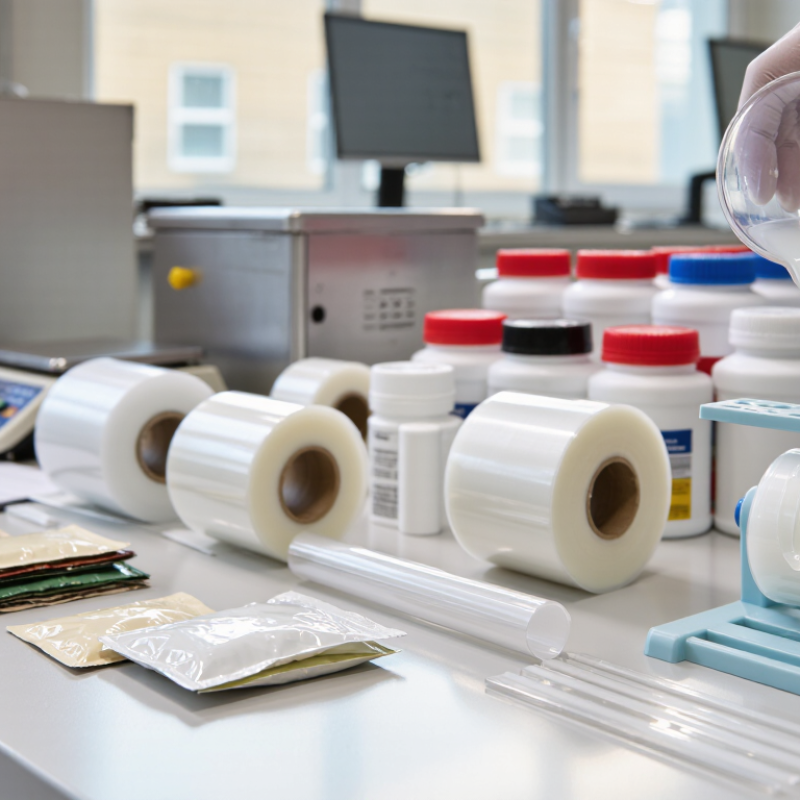
Food-contact laminating adhesives bond layers such as printed film, polyethylene, and aluminum foil in flexible packaging.
They help packages resist punctures, hold seals, and protect products from moisture or oxygen. In a converting line, operators may check coating weight, nip pressure, and cure time. Small changes can affect bond strength and odor. Details matter.
FDA 21 CFR 175.105 addresses adhesives used in articles intended for food contact. It sets conditions for permitted adhesive components and their use; it does not automatically approve every finished laminate.
A supplier’s statement is useful, but it is not the whole assessment. Confirm the food type, contact conditions, package structure, and whether a functional barrier separates adhesive from food.
Review technical documentation, migration data where applicable, and curing requirements for the intended application. That takes testing.
One detail is easy to miss: residual solvents or incomplete cure can affect performance, even when the adhesive appears dry.
Specifications should match real production conditions, not just a laboratory sample. That may sound obvious, but it is often where review becomes less tidy.
For 2026 supplier checks, ask for more than a “food-safe” statement. EU Framework Regulation 1935/2004 requires food-contact materials not to transfer constituents in amounts that could endanger health, unacceptably change food composition, or impair taste and smell. Regulation 2023/2006 adds Good Manufacturing Practice: controlled processes, documented quality checks, and traceability. For laminating adhesives, request a Declaration of Compliance, intended-use limits, migration-test evidence, and details on curing conditions. A warm, fatty-food application may need different evidence from a dry-food pouch.
The European Commission’s 2023 RASFF annual report recorded 4,683 original notifications across food and feed risks. This figure is not specific to adhesives, but it shows why traceable documentation matters. Check whether the supplier’s test conditions match your structure, adhesive coat weight, cure time, and food type. Ask for supporting reports, not only a certificate. Small gaps happen; a missing test condition should prompt a follow-up, not an assumption.
Tips: Keep batch records and retain samples from trial laminations. Confirm that compliance documents cover the exact adhesive grade and end use. If specifications change, reassess the evidence before production. The paperwork can look complete and still miss your actual packaging conditions.
EU compliance timeline: Framework Regulation (EC) No 1935/2004 and GMP Regulation (EC) No 2023/2006
How to use this timeline: When evaluating a supplier, request evidence that the adhesive is suitable for its intended food-contact use, and review relevant declarations, supporting documentation, traceability, and GMP controls. Requirements can also depend on the adhesive’s composition, intended use, and applicable national rules.
Sources: Regulation (EC) No 1935/2004 and Regulation (EC) No 2023/2006.
In 2026, comparing food-grade laminating adhesive suppliers means looking beyond familiar names and headline rankings. A supplier’s value depends on the film structure, converting speed, and end use. Ask for current technical data, food-contact documentation, and clear guidance on intended applications. Paperwork matters.
Compare each candidate’s solventless, solvent-based, or water-based options against your equipment and production goals. Check bond strength, odor, curing time, and performance after filling or heat exposure. A sample that bonds well on a bench may behave differently on a fast production line. Run a controlled trial using your own films, ink, and curing conditions.
Support can separate otherwise similar proposals. Assess how quickly technical teams respond, whether they help investigate delamination, and how consistently they communicate specification changes. Request traceability details and confirm that compliance documents match the destination market and final package structure. No supplier can replace your own qualification process. A neat ranking can mislead; even a strong first impression may change after a full production run. Some comparison points are hard to score fairly, especially service quality across different regions. Keep trial results, questions, and unresolved concerns in one record before selecting a long-term partner.
When comparing food-grade laminating adhesive suppliers in 2026, ask for test data tied to your exact film structure. Bond strength is not one universal number. Request peel results in N/15 mm, along with the test method, conditioning temperature, and time after lamination. A high reading on one film pair may not predict performance on another. Check for clean, consistent failure across several samples, not just one impressive result.
Cure time needs the same care. A laminate may handle well before it reaches its specified final properties. Ask how long the sample was cured, at what temperature, and whether the reported strength changed over time. Then run a trial at your actual line speed and storage conditions. Small details matter. A roll tested after warm storage may behave differently from one left in a cool area.
Residual solvents should be measured with a stated method, such as headspace gas chromatography, and reported with units and sampling conditions. Ask for results from the finished laminate, not only a general product sheet. There is no useful universal figure without knowing the structure and intended use. Also verify that documentation matches the application and applicable food-contact requirements. One honest limitation: supplier data can narrow choices, but it cannot replace a production trial. That part is easy to underestimate.
For food-grade laminating adhesive suppliers, migration evidence matters as much as bonding strength. The familiar 10 mg/dm² overall migration limit comes from EU rules for plastic food-contact materials. It should not be treated as a universal adhesive limit. In a laminate, assess the finished structure and applicable requirements, not just a neat adhesive sample.
Ask suppliers for test reports that identify the laminate, food simulants, contact time, and temperature. These details should match the intended package: a dry snack pouch stored at room temperature is not equivalent to a fatty-food pack exposed to heat. Check whether testing covers the cured adhesive layer and realistic adhesive coating weight. Small differences matter.
Look closely at how the supplier controls curing, residual solvents, and raw-material changes. Request documented change notification and traceability for production batches. A migration result is only useful when its test conditions fit your use case. It can still leave questions. Have a qualified laboratory review gaps, especially for unusual foods or long contact times, and retain the assessment with the technical file. The paperwork may feel repetitive, but a clear link between test conditions and package use is what makes supplier qualification dependable.
Watch video